
Platelet-Rich Plasma Therapy (PRP)
What is PRP?
PRP therapy stands for Platelet-Rich Plasma therapy. It is a non-surgical treatment that uses your own blood to promote healing of injured tissue.
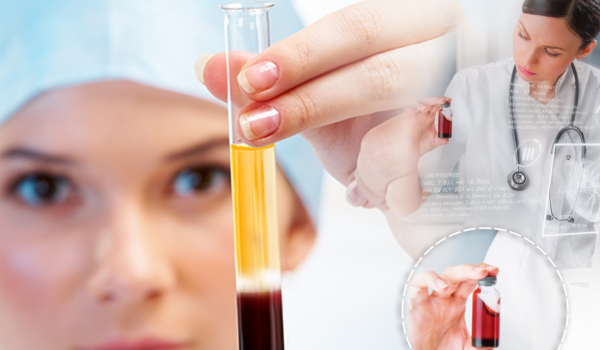
In PRP therapy, the patient's own blood is drawn and placed in a centrifuge to separate the platelets and growth factors from other blood components. The resulting concentrate, rich in platelets and growth factors, is injected into the site of injury or pain.
Platelets are essential for blood clotting, but they also contain growth factors that help stimulate tissue repair and regeneration. By injecting concentrated platelets into an injured area, PRP therapy aims to promote healing and reduce pain. PRP therapy is commonly used to treat various musculoskeletal conditions such as osteoarthritis, tendonitis, and ligament injuries. It may also be used to aid in the healing of soft tissue injuries, such as sprains and strains. Additionally, no medications or steroids are used for this treatment. This is why many professional athletes prefer PRP injections over other treatment modalities.
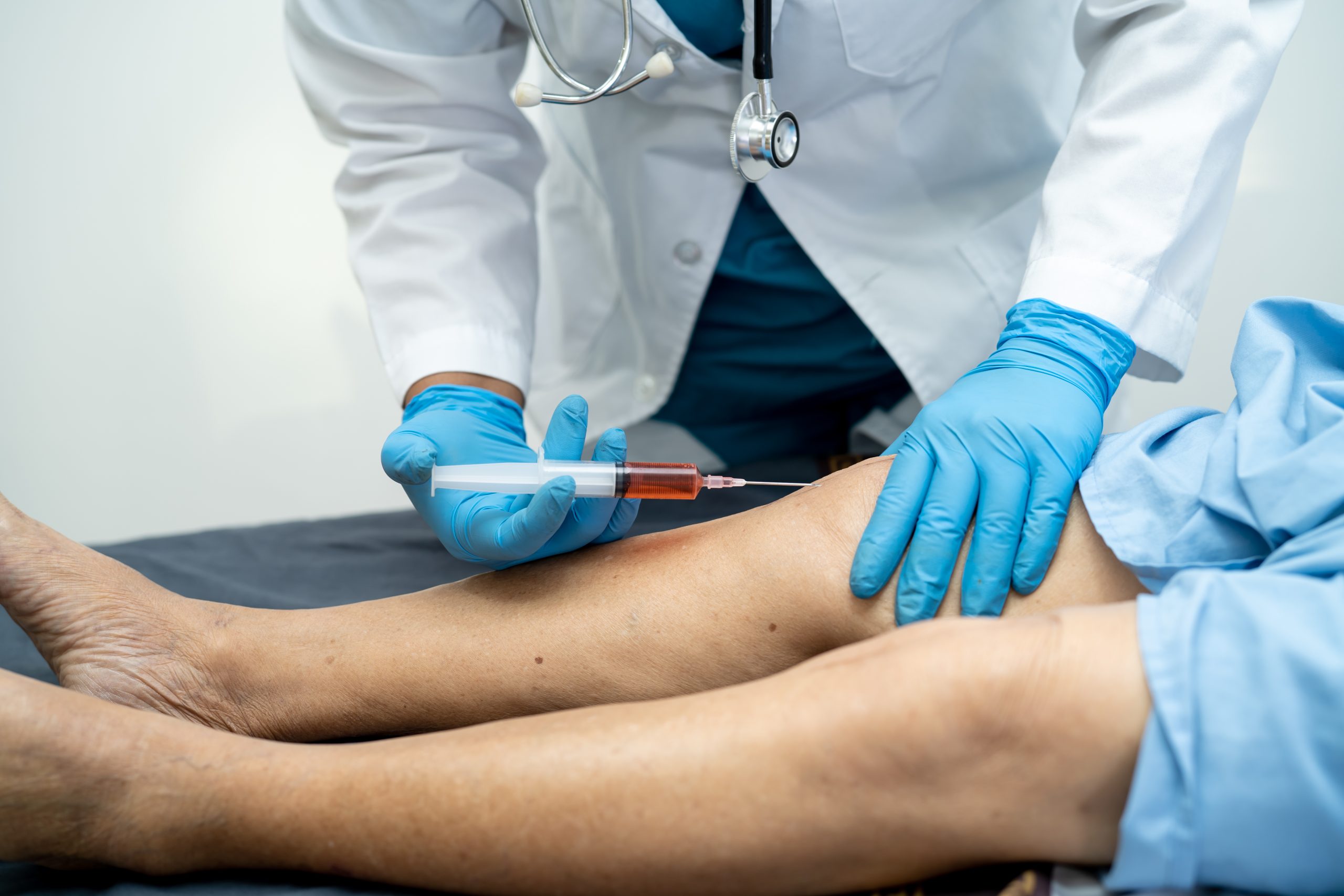
Tops Elite PRP
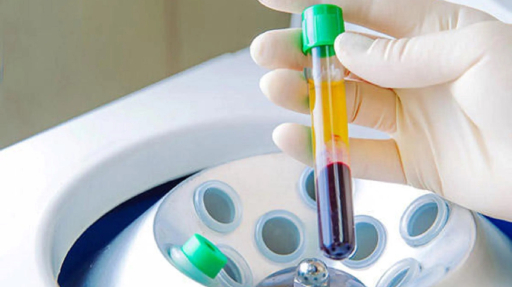
High Dose PRP
High-Dose PRP (HD-PRP): Refers to PRP that is prepared using more complex processing techniques to further concentrate the platelets. This typically involves additional centrifugation steps to extract a higher concentration of platelets and growth factors from the patient's blood.
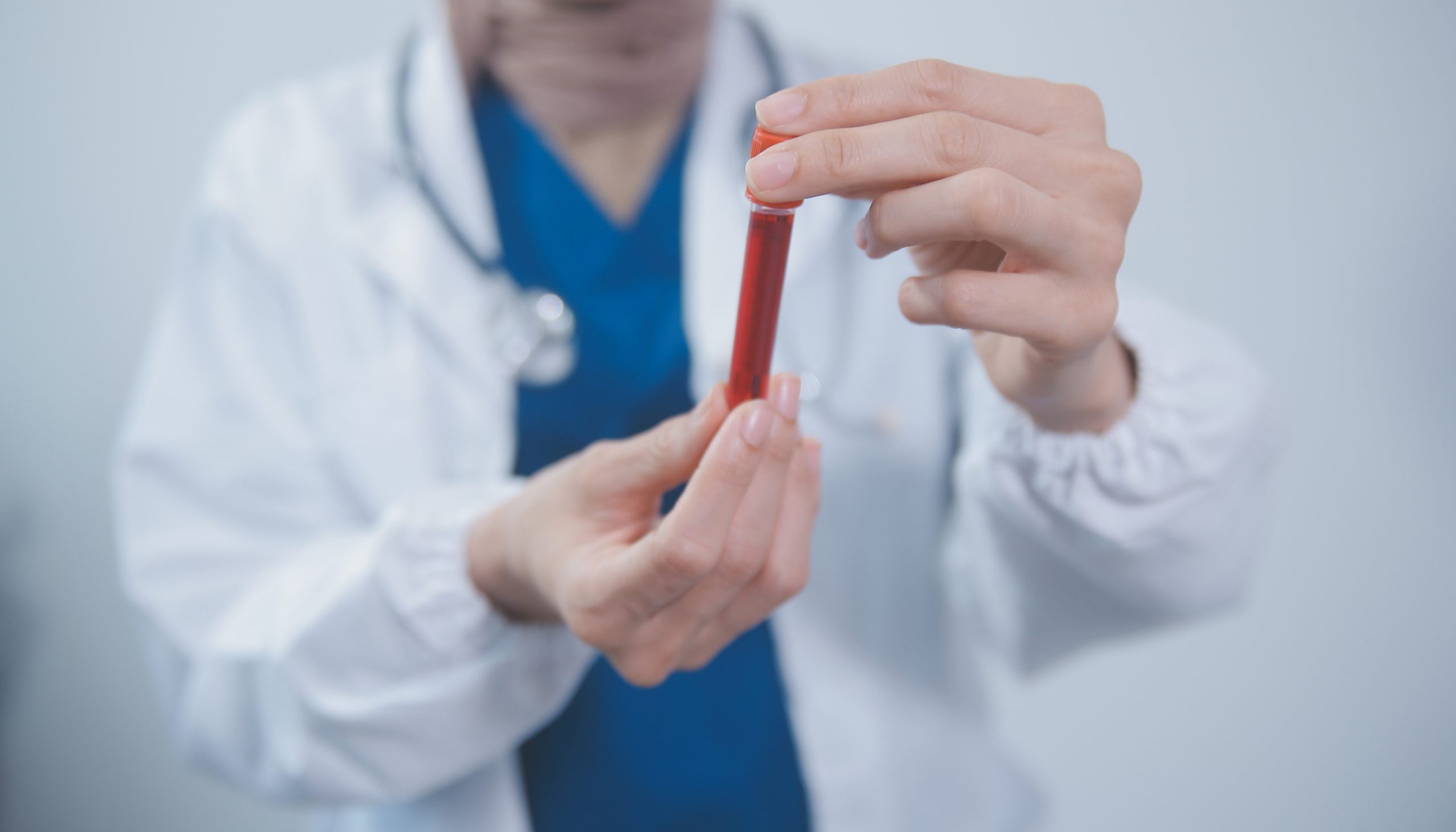
PRP Components
Individualized PRP Processing
Leucocyte-Poor PRP (LP-PRP): Refers to PRP preparations that have undergone additional processing steps to reduce the concentration of white blood cells.
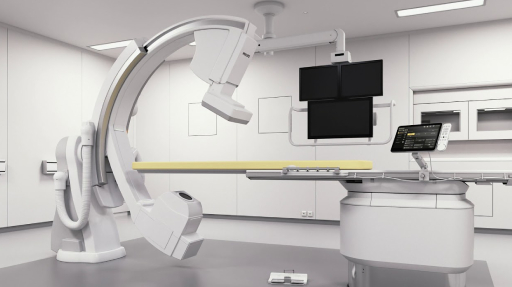
Fluoroscopic Guidance
Fluoroscopic-guided injections refer to a technique in which a real-time imaging technology called fluoroscopy is used to guide the precise placement of injections into specific anatomical structures. Aimed to provide:
Take the First Step Towards Pain Relief
Not all PRP Treatments are Equal
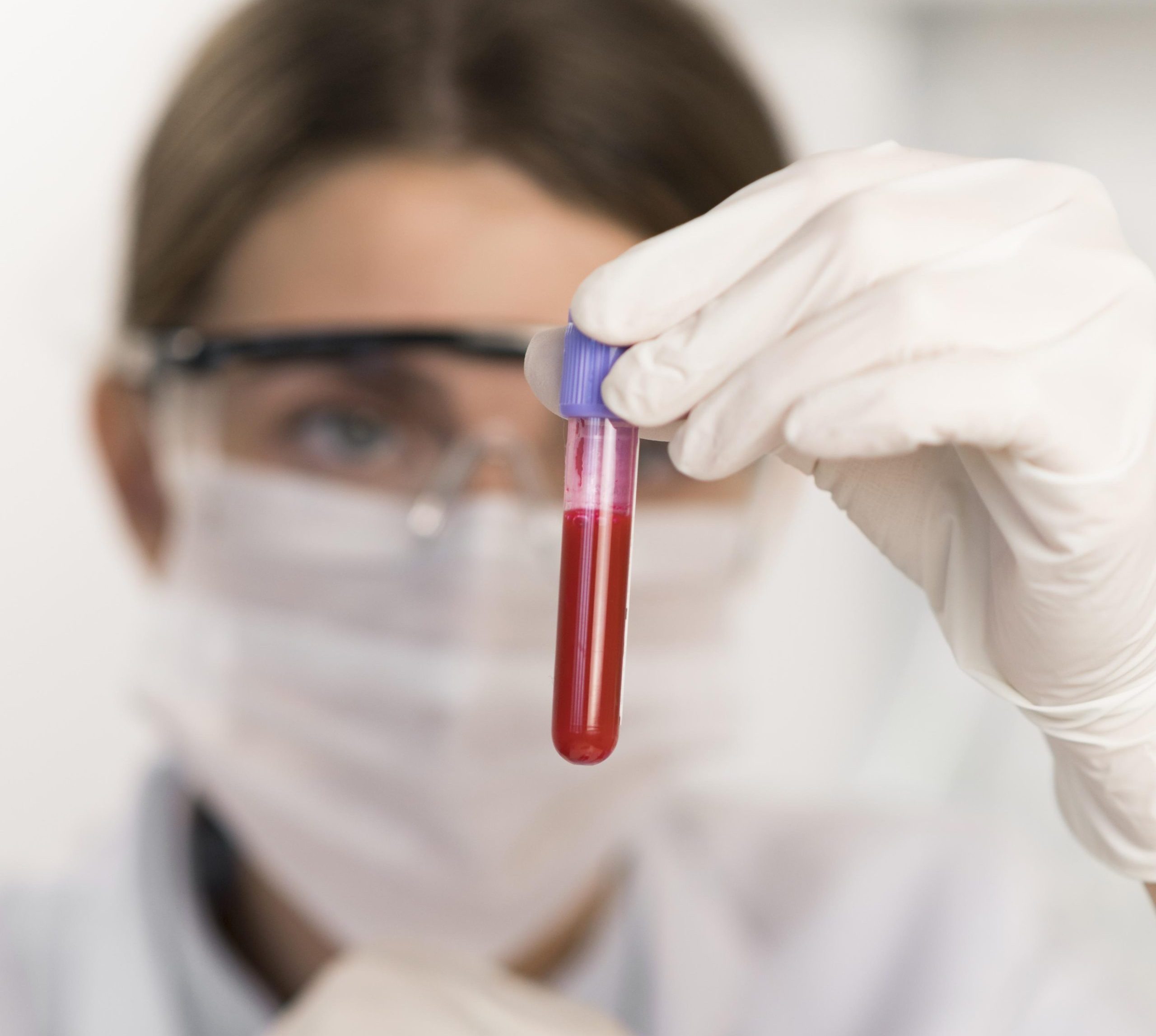
There are many factors affecting the efficacy of PRP treatments. Given the known therapeutic benefits of PRP but lack of standardization, PRP treatments are often done improperly or at lower standards. This may be why cheaper treatments often received at non-specialty locations and med-spas have minimal pain or regenerative benefit.
Factors that may effect the efficacy of treatment include the experience of the physician, amount of blood and PRP harvested, processing methods and lab equipment, individualizing PRP components, and injection image guidance.
At TOPS Institute, we have taken the highest standards from every aspect of the treatment and combined it to create TOPS Elite PRP. We only offer individualized high-dose PRP processed by state-of-the-art lab equipment, done by expert physicians, and under fluoroscopic guidance for optimal results and pain relief.
Benefits of PRP
PRP therapy has been found to be effective in several conditions, including:
- Tendon and ligament injuries: PRP therapy has been found to reduce pain and improve function in patients with chronic tendon and ligament injuries, such as tennis elbow and Achilles tendonitis.
- Osteoarthritis: PRP therapy can reduce inflammation and pain associated with osteoarthritis, a condition that affects the joints and can cause significant discomfort and mobility issues.
- Muscle injuries: PRP therapy can promote healing and reduce pain in muscle injuries such as strains and tears.
- Chronic back pain: PRP therapy can be used to treat chronic back pain, which is often caused by degenerative changes in the spinal discs or joints.
Some of the benefits of PRP therapy in pain management include:
- Reduced pain: PRP therapy has been found to significantly reduce pain associated with various musculoskeletal conditions.
- Improved healing: PRP therapy can promote tissue healing and regeneration, leading to improved function and mobility.
- Non-invasive: PRP therapy is a minimally invasive treatment that can be performed in an outpatient setting, with minimal downtime.
- Low risk of complications: Because PRP therapy uses the patient's own blood, there is a low risk of complications such as infection or allergic reactions.
- Long-lasting effects: PRP therapy can provide long-lasting pain relief, allowing patients to avoid more invasive treatments such as surgery or long-term medication use.
Why Choose TOPS' PRP Therapy
- Experienced Practitioners: Our team of highly trained medical professionals has extensive experience in performing PRP treatments, ensuring that you receive safe, effective care tailored to your needs.
- State-of-the-Art Equipment: We use advanced technology to process your blood and deliver the highest quality PRP for optimal results.
- Holistic Healing Approach: PRP therapy is a natural, non-invasive option that works with your body’s healing mechanisms to treat pain, injury, and aging.
Frequently Asked Questions
1.What is a PRP injection and how does it work?
A PRP (platelet-rich plasma) injection uses a sample of your own blood. The blood is processed to concentrate platelets and growth factors, which are then injected into the target area with the goal of supporting the body’s natural healing response. PRP is commonly used in musculoskeletal medicine, although results vary and it is not a guaranteed treatment for every pain condition.
2. What conditions can PRP injections treat in Los Angeles?
PRP injections are commonly discussed for tendon injuries, certain joint conditions, osteoarthritis, and sports-related overuse injuries. Whether PRP is appropriate depends on the diagnosis, severity of tissue damage, and the goals of treatment.
3. Are PRP injections effective for chronic pain relief?
PRP injections may help some patients with chronic musculoskeletal pain by supporting healing and reducing symptoms over time. Evidence is stronger for some conditions than others, and outcomes vary by diagnosis and patient. It has become an alternative to steroid or cortisone injections for many.
4. How long does it take to see results from PRP treatment?
Some patients begin to notice improvement within a few weeks, while fuller benefit may take several weeks to months. The timeline depends on the condition being treated and the individual healing response.
5. How much does a PRP injection cost in Los Angeles?
The cost of PRP injections typically ranges, depending on the provider, type of imaging used, and treatment area. Multiple sessions may be required, and many commercial insurance plans do not cover PRP treatments.
6. Is PRP injection safe?
PRP injections are generally considered low risk when performed using appropriate sterile technique because they use your own blood product. Even so, potential risks include infection, bleeding, temporary increased pain, and failure to improve.
7. What are the risks or side effects of PRP therapy?
PRP therapy is generally low risk, but possible side effects include temporary pain, swelling, bruising, and, rarely, infection or bleeding. As with any injection, results are not guaranteed.
8. How long does a PRP injection procedure take?
A PRP injection procedure typically takes about 45 minutes, including blood collection, processing, and injection into the targeted area.
9.How is regenerative PRP treatment different from traditional treatments?
PRP treatment is intended to support the body’s healing response using concentrated platelets from your own blood. Unlike treatments that mainly focus on symptom control, PRP is used with the goal of improving tissue recovery in selected cases, although evidence and results vary.
10.Where can I get PRP injections in Beverly Hills or Los Angeles?
PRP injections are offered by some pain management, sports medicine, orthopedic, and regenerative medicine practices in Beverly Hills and Los Angeles. Patients should look for clinicians who use image guidance when appropriate and provide a clear discussion of expected benefits, risks, alternatives, and cost.