
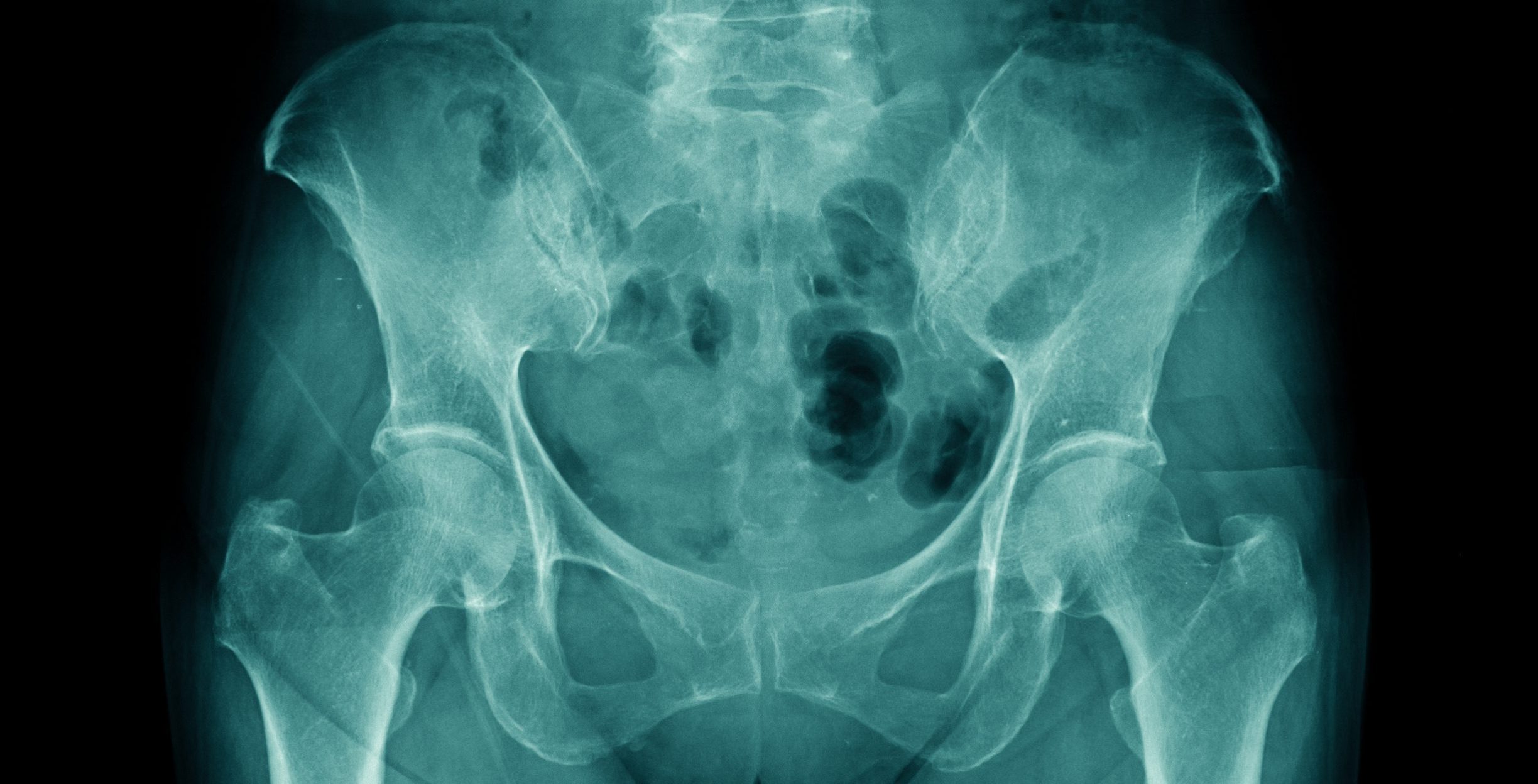
Hip Pain
There are many different types and causes of hip pain, some of which include:
- Osteoarthritis: This is the most common form of arthritis and occurs when the cartilage in the hip joint breaks down, causing pain and stiffness.
- Rheumatoid arthritis: This is an autoimmune disease that can affect the hip joint and cause pain, swelling, and stiffness.
- Bursitis: This is the inflammation of the bursae, which are small sacs of fluid that cushion the hip joint. When they become inflamed, they can cause pain and discomfort.
- Tendinitis: This is the inflammation of the tendons that attach the muscles to the bones in the hip joint. It can cause pain and discomfort, particularly during movement.
- Hip fracture: A fracture in the hip joint can cause severe pain, particularly in older adults who may have weakened bones.
- Labral tears: The labrum is a ring of cartilage that surrounds the hip joint. Tears in the labrum can cause pain and discomfort in the hip.
- Hip impingement: This occurs when the bones in the hip joint rub against each other, causing pain and discomfort.
- Sciatica: This is a condition where the sciatic nerve, which runs from the lower back down to the legs, becomes compressed or irritated. It can cause pain in the hip, as well as the lower back and legs.
- Osteonecrosis: This is a condition where the blood supply to the bones in the hip joint is disrupted, causing the bone tissue to die and leading to pain and stiffness.
- Muscle strains and sprains: These are common injuries that can occur in the muscles and ligaments surrounding the hip joint, causing pain and discomfort.
The type of interventional pain treatment for hip pain will depend on the underlying cause of the pain. Here are some of the interventional pain treatments that may be used for different types of hip pain:
- Corticosteroid Injections: Corticosteroid injections are used to relieve pain and inflammation in the hip joint caused by conditions such as arthritis, bursitis, and tendonitis. The injection is administered directly into the hip joint.
- Platelet-Rich Plasma (PRP) Injections: PRP injections involve the injection of platelet-rich plasma, which is a concentrate of the patient's own blood, into the hip joint. This treatment is used for hip labral tears and other soft tissue injuries.
- Hip Joint Injections: Hip joint injections are used to diagnose the source of hip pain and to provide pain relief. This injection involves a combination of a local anesthetic and a corticosteroid, which is administered into the hip joint.
- Nerve Blocks: Nerve blocks involve the injection of a local anesthetic and/or a corticosteroid around the nerves that are causing hip pain. This treatment is used for conditions such as hip impingement syndrome.
- Radiofrequency Ablation: Radiofrequency ablation involves the use of radio waves to heat up and destroy the nerve fibers that are causing hip pain. This treatment is used for chronic hip pain caused by conditions such as arthritis.
- Physical Therapy: Physical therapy is often used in combination with other interventional pain treatments to improve hip joint function and reduce pain. This may include exercises to improve hip range of motion and strengthen the muscles around the hip joint.
Frequently Asked Questions
1. What is the best hip pain treatment in Los Angeles?
The most appropriate hip pain treatment depends on the diagnosis and severity. Options commonly include physical therapy, activity modification, medications, and image-guided injections. PRP or other regenerative procedures may be discussed in selected cases, but evidence and suitability vary. Surgery is reserved for conditions that do not respond adequately to conservative care or that require structural correction.
2. When should I see a hip joint pain specialist in LA?
You should see a hip joint pain specialist if your pain lasts more than a few weeks, worsens over time, or interferes with daily activities like walking or sitting. Persistent symptoms may indicate underlying issues such as arthritis, labral tears, or nerve problems that require expert evaluation.
3. What conditions do hip pain specialists in Los Angeles treat?
Hip specialists in Los Angeles treat conditions such as osteoarthritis, hip impingement (FAI), labral tears, bursitis, tendon injuries, and fractures. They also manage chronic pain caused by overuse or sports injuries.
4. What is a hip injection in Beverly Hills and how does it work?
A hip injection is a minimally invasive procedure in which medication, such as corticosteroid or, in selected cases, a regenerative biologic, is delivered into the hip joint or nearby target under imaging guidance. It can reduce inflammation and pain for some patients, but the amount and duration of relief vary.
5. Are hip injections effective for chronic hip pain?
Hip injections can be effective for selected causes of chronic hip pain, especially inflammatory or intra-articular conditions. The amount and duration of relief vary, and an accurate diagnosis is essential.
6. What are non-surgical options for chronic hip pain treatment?
Non-surgical options can include physical therapy, activity modification, weight management when relevant, medications, and image-guided injections. PRP or autologous bone marrow-based procedures may be discussed in selected cases, but evidence is still evolving and they are not appropriate for every diagnosis.
7. How do I find the best hip pain specialist in Beverly Hills?
To find the best hip pain specialist, look for board-certified orthopedic doctors with experience in hip preservation and minimally invasive treatments. Check patient reviews, credentials, and whether they offer both surgical and non-surgical options.
8. What causes chronic hip pain?
Chronic hip pain can be caused by arthritis, tendon or ligament injuries, hip impingement, fractures, or nerve-related issues. In some cases, pain may also originate from the lower back or surrounding muscles.
9. Is hip surgery always required for hip pain?
No, surgery is not always required. Most hip conditions can be managed with conservative treatments such as therapy, medications, or injections. Surgery is typically recommended only when non-surgical options fail to provide relief.
10. How long does it take to recover from hip pain treatment?
Recovery time varies depending on the treatment. Injection therapies may require only a few days of rest, while physical therapy can take weeks. Surgical procedures like hip arthroscopy generally involve a longer recovery but offer lasting relief for severe conditions.