
Joint Injections
What are Joint Injections?
Joint injections are minimally invasive procedures where the physician will use a sterile technique to inject medication directly into a joint.
The injection is given with the guidance of imaging techniques, such as ultrasound or fluoroscopy, to ensure accurate placement of the needle and medication into the joint. This will help significantly alleviate pain, inflammation, and stiffness.
This treatment can be used to manage pain caused by a variety of conditions, such as osteoarthritis, rheumatoid arthritis, gout, bursitis, tendonitis, and other types of joint inflammation.

Why Consider Joint Injections?

Outpatient Procedure with Minimal Recovery
Joint injections are performed quickly in a clinical setting without the need for hospitalization. Most patients resume normal activities shortly after the procedure with little to no downtime.
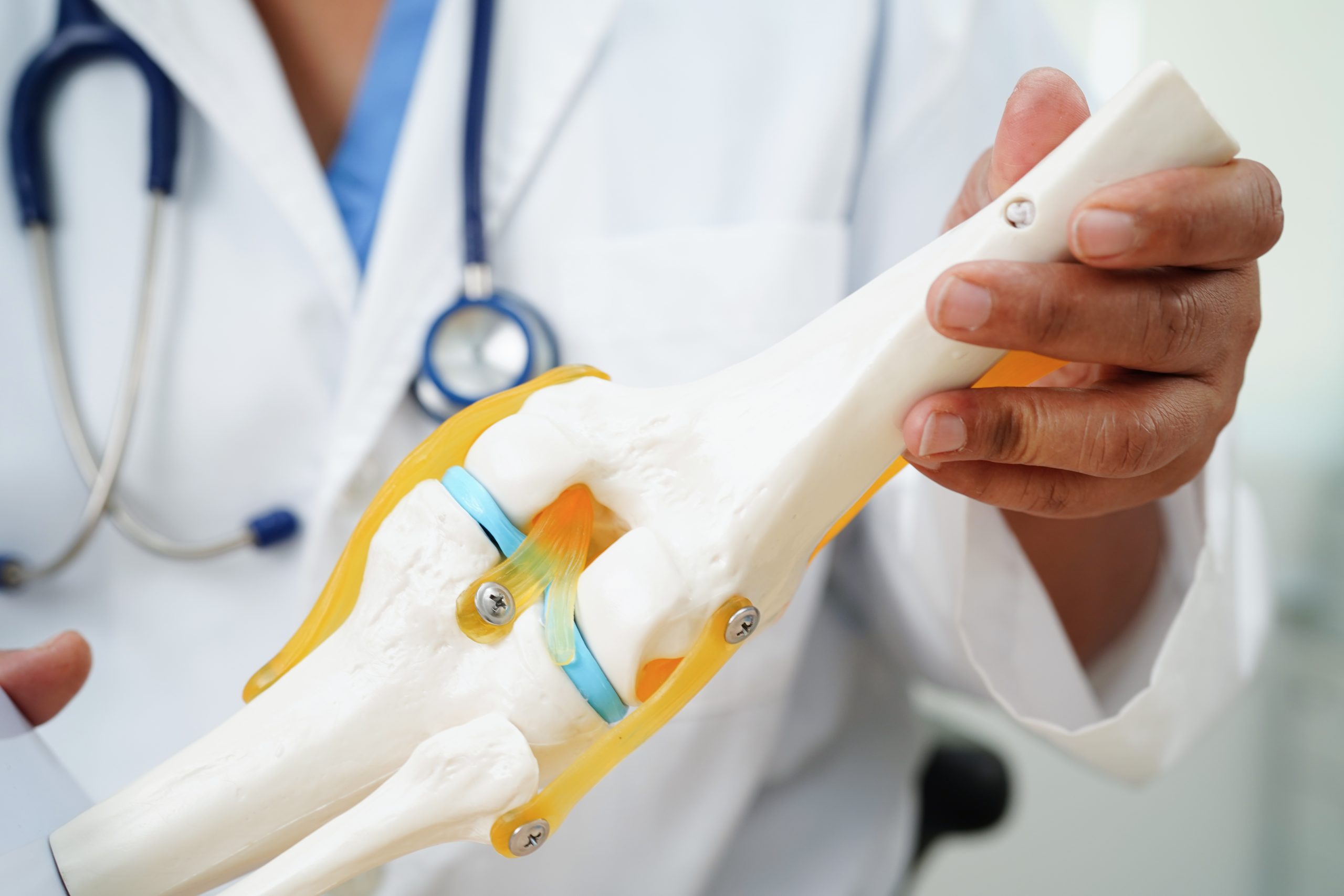
Effective for Arthritis, Injuries, and Overuse
Whether you're dealing with chronic arthritis, sports injuries, or joint overuse, targeted injections help reduce inflammation and pain, improving mobility and quality of life.
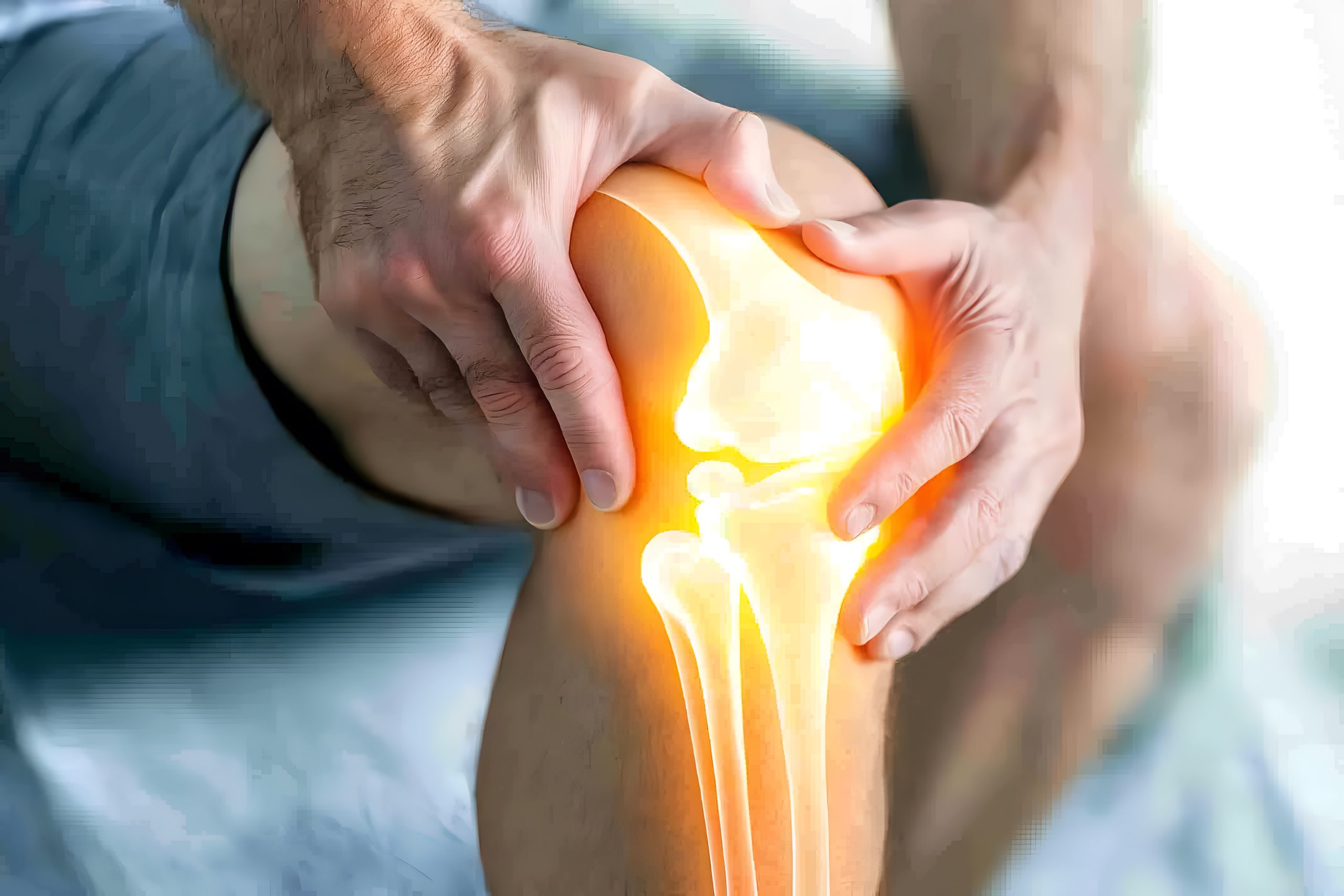
Personalized to Your Specific Condition
Each treatment is tailored to your unique diagnosis, whether it involves the knee, shoulder, hip, or other joints. This ensures optimal relief and better long-term outcomes.
Ready to Find Relief?
Schedule your consultation today and take the
first step toward pain-free movement.
Key Benefits of Joint Injections
Fast Pain Relief
Joint injections can quickly alleviate discomfort caused by inflammation, arthritis, or injury. Helping you return to daily activities with reduced pain.
Minimally Invasive
These procedures require only a small injection, minimizing risk, discomfort, and recovery time compared to surgical options.
Improves Mobility
By reducing joint swelling and stiffness, injections help restore range of motion and support a more active, pain-free lifestyle.
Targeted Treatment
Injections deliver medication directly to the affected joint, providing focused relief where it's needed most without affecting the whole body.
Frequently Asked Questions
1. What are joint injections and how do they work in Los Angeles?
Joint injections are minimally invasive treatments where medication is injected directly into a painful joint to reduce inflammation and improve mobility. They are commonly used for conditions like arthritis, tendonitis, and injuries, delivering targeted relief without surgery.
2. What conditions can joint pain injections treat in Beverly Hills?
Joint pain injections can treat osteoarthritis, rheumatoid arthritis, tendonitis, bursitis, and sports injuries. They are often especially effective for knee, shoulder, hip, and elbow pain by reducing inflammation and improving joint function.
3. What are image-guided joint injections?
Image-guided joint injections use ultrasound or fluoroscopy to precisely place the needle into the joint. This improves accuracy, ensures proper medication delivery, and increases the effectiveness of the treatment while minimizing risks.
4. Are image-guided joint injections better than standard injections?
Image-guided injections are generally more accurate than blind injections, especially for deeper or technically difficult joints. Greater accuracy does not guarantee a better clinical outcome in every case, but it can improve confidence that medication reached the intended target.
5. What is PRP for knee pain in Los Angeles?
PRP (Platelet-Rich Plasma) therapy uses your own blood, concentrates healing platelets, and injects them into the knee joint. These growth factors are thought to help reduce inflammation and support tissue repair naturally.
6. How effective are PRP knee injections for joint pain?
PRP knee injections may improve pain and function for some patients, particularly in mild to moderate osteoarthritis or selected soft-tissue conditions. Benefit varies, and PRP should be discussed as one option rather than a guaranteed solution.
7. How many PRP injections are needed for knee pain?
Most treatment plans recommend 1–3 PRP injections spaced over several weeks. Some patients may need maintenance injections every 6–12 months depending on their condition and response.
8. Are joint injections a good alternative to surgery?
Joint injections can be an effective non-surgical option for symptom control and functional improvement in selected patients. Whether they delay or avoid surgery depends on the diagnosis, severity of disease, and response to treatment.
9. Are joint injections safe?
Joint injections are generally considered safe when performed by experienced providers using appropriate sterile technique and, when indicated, image guidance. Risks include infection, bleeding, temporary pain flare, allergic reaction, and treatment-specific side effects.
10. How long do joint injections last?
Relief duration varies by treatment type and condition. Cortisone injections may last weeks to months, while PRP injections can potentially provide longer-lasting benefits. The goal is to address the underlying cause of pain.