
Peripheral Nerve Stimulation (PNS)
What is PNS?
Peripheral nerve stimulation (PNS) is a type of medical treatment that involves the use of electrical stimulation to treat chronic pain.
It involves placing small electrodes on or near the peripheral nerves, which are the nerves that are located outside of the brain and spinal cord. The procedure is usually performed on an outpatient basis and involves the use of local anesthesia. The electrodes are typically placed using a needle, and the patient may experience a mild tingling sensation during the procedure.
PNS is often used to treat conditions such as back pain, neck pain, nerve pain, and other types of chronic pain that have not responded to other forms of treatment.
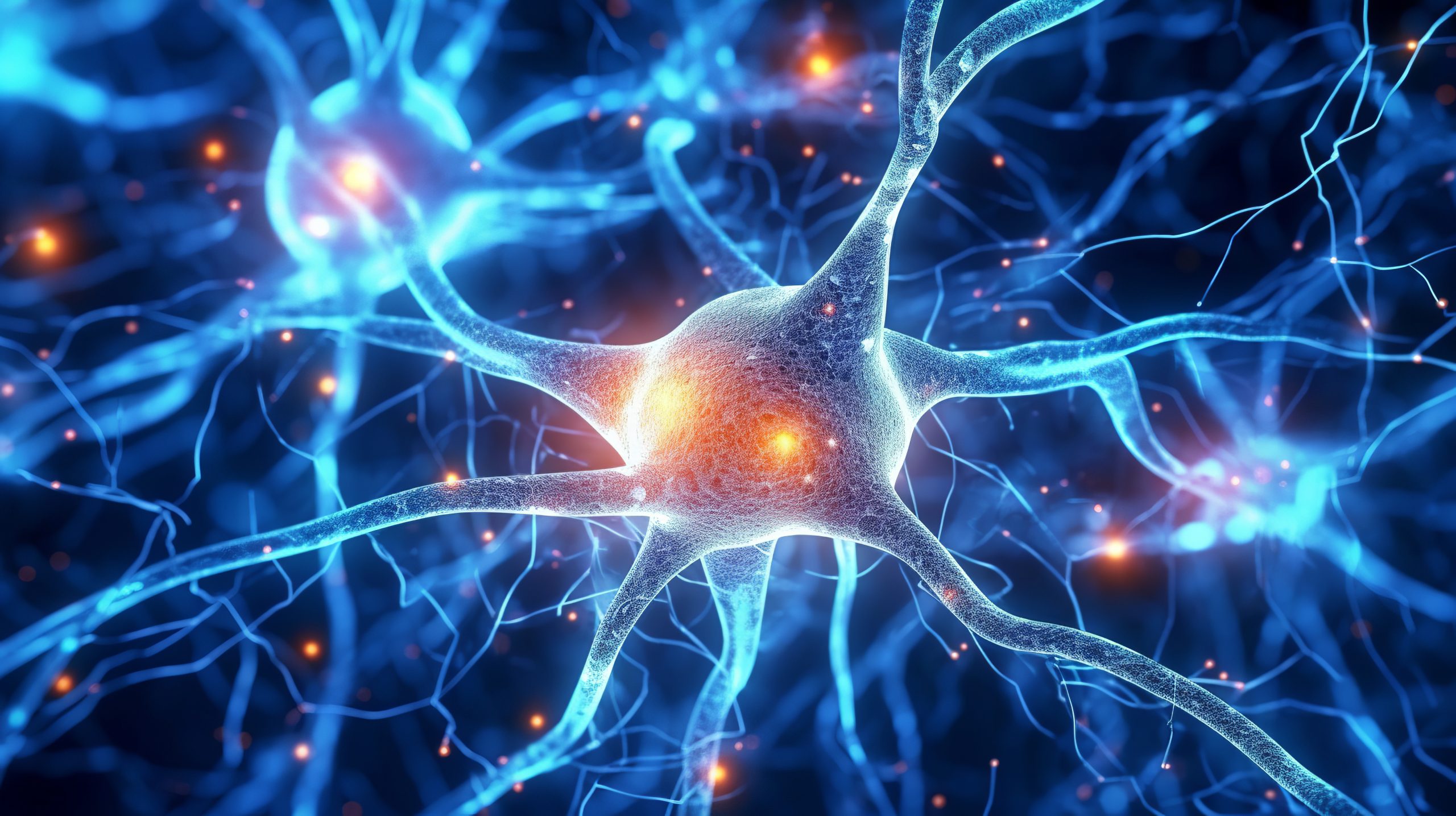

PNS is often used to treat conditions such as back pain, neck pain, nerve pain, and other types of chronic pain that have not responded to other forms of treatment.
Before this process, our pain specialists will meet with you and determine if you are a good candidate for PNS by going through a trial period.
During the trial period, a PNS device is implanted under the skin and electrodes are placed on the targeted peripheral nerves to deliver electrical stimulation. You can adjust the settings of the device, with guidance from your healthcare provider, to find the optimal level of stimulation that provides pain relief without causing discomfort or side effects.
If you experiences significant pain relief during the trial period and decide to move forward with a long-term implant, the PNS device is surgically implanted under the skin in a more permanent location. If you do not experience sufficient pain relief or encounter any issues during the trial period, the device is simply removed and alternative treatment options may be explored.
Overall, peripheral nerve stimulation is a safe and effective treatment option for chronic pain. Our experienced pain management specialists will meet with you to determine if PNS is the right treatment for you.
Our PNS Treatment Services Include
There are several steps in determining if you are a good candidate for Spinal Cord
Stimulation (SCS). Here is an overview of what you can expect:
Comprehensive Pain Assessment
We begin with a thorough evaluation of your medical history, symptoms, and pain patterns. This helps us determine whether you're a suitable candidate for neuromodulation therapies.

Customized Treatment Planning
Based on your assessment, we create a personalized treatment plan tailored to your specific condition and goals. This may include diagnostic testing and a trial period to assess the effectiveness of PNS.

Minimally Invasive Implant Procedure
If the trial is successful, we proceed with a minimally invasive procedure to implant the PNS device. This outpatient procedure allows for quick recovery and minimal disruption to your daily life.
Spinal cord stimulation can help to reduce the intensity of pain and improve quality of life for some patients. It is important to discuss the potential risks and benefits of the procedure with our experienced interventional pain management doctors in order to determine if it's the right treatment for you.
4 key points for Neuromodulation
Targeted Pain Relief
Neuromodulation provides focused relief by delivering electrical stimulation directly to the nerves responsible for your pain, helping block pain signals before they reach the brain.
Minimally Invasive Procedure
The implant is placed using a small incision and advanced imaging techniques, reducing surgical risk and allowing most patients to resume normal activities shortly after.
Drug-Free Pain Management
This approach reduces or even eliminates the need for long-term pain medications, helping patients avoid the side effects and dependency risks associated with opioids.
Reversible and Adjustable
Neuromodulation devices can be programmed to suit your changing needs and can be removed if necessary, giving you control over your treatment without permanent alteration.
Frequently Asked Questions
1. What is a peripheral nerve stimulator and how does it work?
A peripheral nerve stimulator (PNS) is a small medical device implanted near damaged or irritated nerves to relieve chronic pain. It sends mild electrical impulses that block pain signals before they reach the brain, helping reduce discomfort without relying on medications.
2. Who is a good candidate for peripheral nerve stimulation in Los Angeles?
You may be a good candidate for PNS if you:
- Have chronic nerve pain that hasn’t improved with medication or therapy
- Experience localized pain (e.g., knee, shoulder, back, or neuropathy)
- Want a minimally invasive, drug-free treatment option
Doctors typically perform a trial stimulation first to confirm effectiveness before permanent implantation.
3. What conditions can peripheral nerve stimulation treat?
Peripheral nerve stimulation has been used for:
- Peripheral neuropathy
- Post-surgical nerve pain
- Complex regional pain syndrome (CRPS)
- Back, knee, or shoulder pain
- Nerve injuries and migraines
It is effective for many localized chronic pain conditions.
4. How effective is PNS for chronic nerve pain treatment in Los Angeles?
Studies suggest many patients experience meaningful pain reduction after PNS, but reported success rates vary by condition, target nerve, device, and study design. The most reliable way to assess candidacy is a specialist evaluation and, when applicable, a trial.
5. What happens during a PNS implant procedure in Beverly Hills?
The PNS procedure typically includes:
- Trial phase – Temporary electrodes are placed to test effectiveness
- Implant phase – A small device is permanently implanted if the trial is successful
The procedure is minimally invasive and usually performed on an outpatient basis.
6. Is peripheral nerve stimulation a safe treatment option?
PNS is generally considered a low-risk, minimally invasive treatment when performed by experienced clinicians. Risks include infection, bleeding, lead migration, device malfunction, discomfort at the implant site, and failure to achieve adequate relief.
7. How long does recovery take after a PNS implant?
Most patients recover quickly:
- Light activities can resume within a few days
- Full recovery typically takes a few weeks
- Strenuous activity should be avoided for about 4–6 weeks
The minimally invasive nature allows for faster healing compared to traditional surgery.
8. Can peripheral nerve stimulation help with peripheral neuropathy?
PNS may help selected patients with peripheral neuropathy or focal neuropathic pain, but appropriateness depends on the pattern of symptoms, the nerves involved, and other available treatment options.
9. Is PNS better than medication for chronic nerve pain?
Peripheral nerve stimulation offers several advantages over medication:
- Drug-free pain management
- Reduced risk of opioid dependency
- Adjustable and reversible treatment
Many patients choose PNS when medications fail or cause unwanted side effects.
10. How do I find the best PNS specialist in Los Angeles or Beverly Hills?
To find the right specialist:
- Look for board-certified pain management doctors
- Choose clinics offering trial stimulation before implantation
- Review patient outcomes and experience with neuromodulation
Scheduling a consultation helps determine if PNS is the right treatment for your condition.