
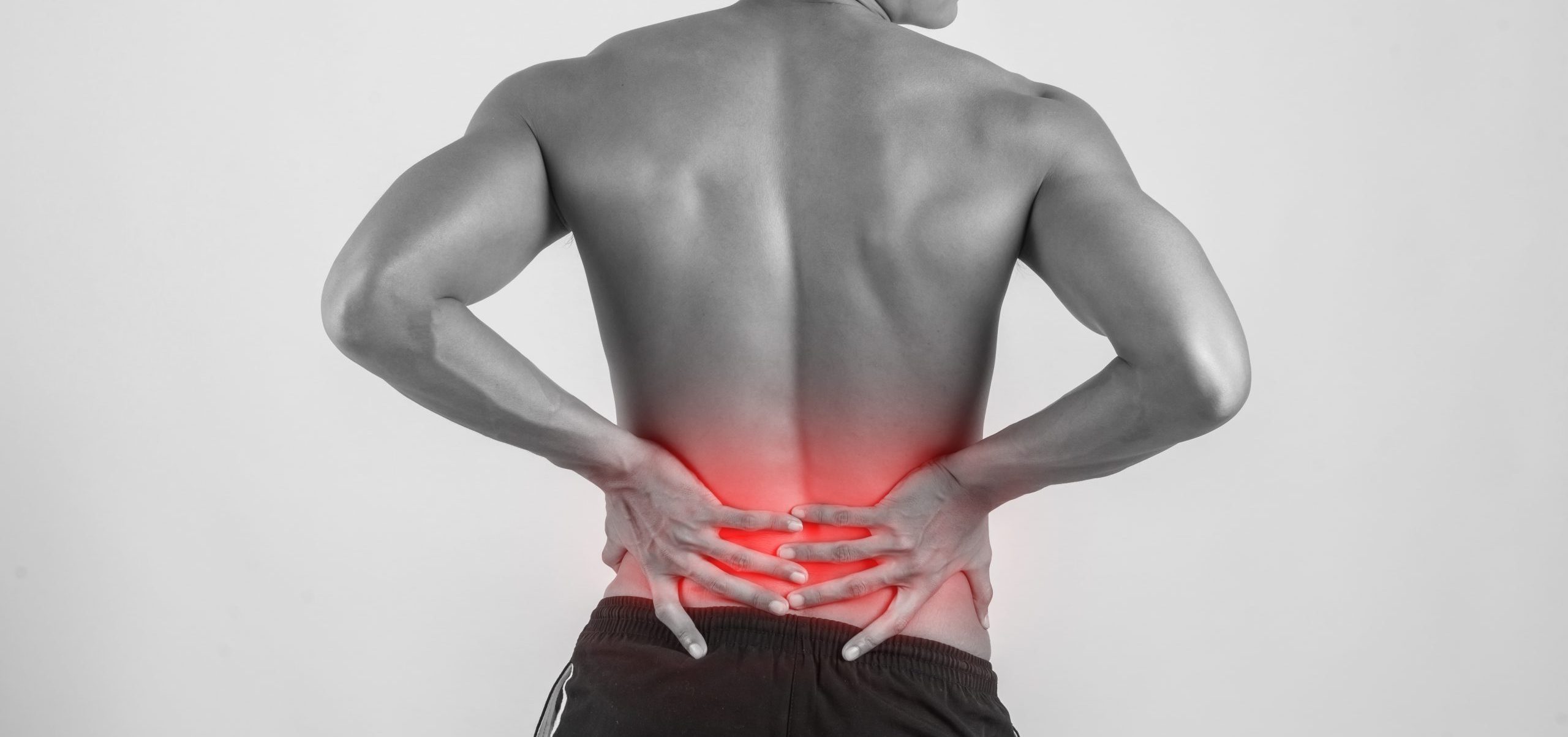
Back Pain
There are many different types of back pain, and the specific type can depend on the cause and location of the pain. Some common types of back pain include:
- Mechanical back pain: This type of pain is caused by problems with the muscles, bones, or joints in the back. It may be due to poor posture, overuse, or injury.
- Radicular pain: This type of pain is caused by irritation or compression of a spinal nerve root. It may radiate from the lower back down the leg and is often described as shooting or stabbing pain.
- Sciatica: This is a specific type of radicular pain that is caused by irritation or compression of the sciatic nerve, which runs from the lower back through the buttocks and down the legs. It is often accompanied by tingling, numbness, or weakness in the affected leg.
- Axial back pain: This type of pain is centered in the lower back and is often described as a dull ache. It may be caused by muscle strain, degenerative changes in the spine, or other conditions.
- Referred pain: This type of pain is felt in a different part of the body from the source of the pain. For example, pain from a kidney infection may be felt in the back.
There are a variety of procedures that we may perform to treat back pain, including:
- Epidural steroid injection: This procedure involves injecting a steroid medication into the epidural space, which is the area around the spinal cord. The medication can help to reduce inflammation and alleviate pain.
- Nerve block: A nerve block is a procedure in which a local anesthetic or other medication is injected near a specific nerve to block pain signals.
- Radiofrequency ablation: This procedure involves using radiofrequency energy to damage the nerve fibers that are transmitting pain signals.
- Spinal cord stimulation: This procedure involves implanting a device that delivers electrical signals to the spinal cord to block pain signals.
- Facet joint injection: This procedure involves injecting a local anesthetic or other medication into the facet joints, which are small joints located between the vertebrae in the spine.
- Kyphoplasty: This procedure is used to treat vertebral fractures that are causing back pain. It involves injecting bone cement into the fractured vertebra to stabilize it and reduce pain.
- Laminectomy: A laminectomy is a surgical procedure that involves removing a portion of the lamina, which is the bony arch on the back of the spine. It is often used to treat spinal stenosis, a condition in which the spinal canal becomes narrow, putting pressure on the nerves and causing pain.
- Discectomy: A discectomy is a surgical procedure that involves removing a portion of a damaged or herniated disc in the spine. It is often used to treat herniated discs, which can cause pain and other symptoms.
Frequently Asked Questions
1. What is the best back pain treatment in Los Angeles?
The best back pain treatment in Los Angeles depends on the cause and severity of your condition. Common options include physical therapy, medications (like NSAIDs), spinal injections, and minimally invasive surgery for severe cases. Most specialists recommend starting with non-surgical treatments before considering surgery.
2. When should I see a back pain specialist in Los Angeles?
You should see a back pain specialist if your pain lasts more than 1–3 weeks, worsens over time, or includes symptoms like numbness, tingling, or weakness. These may indicate nerve involvement such as lumbar radiculopathy and require expert evaluation.
3. What does a back pain specialist in Los Angeles do?
A back pain specialist evaluates spine-related pain using the history, physical examination, and, when appropriate, studies such as MRI or CT. Treatment may include therapy, medications, injections, or referral for surgical evaluation when indicated.
4. How do I find the best lower back pain doctor in Beverly Hills?
Look for a board-certified spine specialist with experience in treating conditions like herniated discs, sciatica, and chronic lower back pain. Check patient reviews, treatment options offered, and whether they provide both non-surgical and surgical care.
5. What are common causes of lower back pain treated in Beverly Hills?
Lower back pain is often caused by herniated discs, muscle strain, spinal stenosis, or degenerative disc disease. In many cases, nerve compression can lead to conditions like sciatica or lumbar radiculopathy.
6. What is lumbar radiculopathy and how is it treated in Los Angeles?
Lumbar radiculopathy occurs when a spinal nerve is compressed, causing pain, numbness, or weakness in the lower back and legs. Treatment typically includes physical therapy, medications, corticosteroid injections, epidural injections, and surgery in severe cases. At TOPS Institute, we specialize in treating low back pain as well as epidural injections.
7. Can lumbar radiculopathy be treated without surgery?
most cases may be treated without surgery using physical therapy, anti-inflammatory medications, activity modification, and spinal injections. Surgery is usually only recommended if conservative treatments fail after several weeks.
8. How long does it take to recover from lower back pain treatment?
Recovery time varies depending on the condition. Mild cases may improve within a few weeks, while chronic or severe issues can take several months of consistent therapy and rehabilitation.
9. What are the most effective non-surgical treatments for back pain?
Effective non-surgical treatments include physical therapy, exercise programs, posture correction, medications, and lifestyle changes like weight management and staying active. These approaches help reduce pain and prevent recurrence.
10. What are the warning signs of serious back pain conditions?
Warning signs include severe or progressive weakness, new bowel or bladder dysfunction, saddle anesthesia, fever, unexplained weight loss, trauma, cancer history, or pain that is severe and unremitting. These symptoms warrant prompt medical evaluation.