Expert Care for a Range of Conditions
Our Multidisciplinary Approach
We go above and beyond to provide a truly exceptional and personalized experience for our esteemed patients.
Our concierge services are meticulously designed to ensure your comfort, convenience, and peace of mind throughout your entire treatment journey.
Our dedicated concierge team is committed to catering to your every need, making your experience seamless and stress-free. They will assist you with appointment scheduling, coordinate any necessary logistics, and will be available to address your inquiries and concerns promptly.
Conditions We Treat
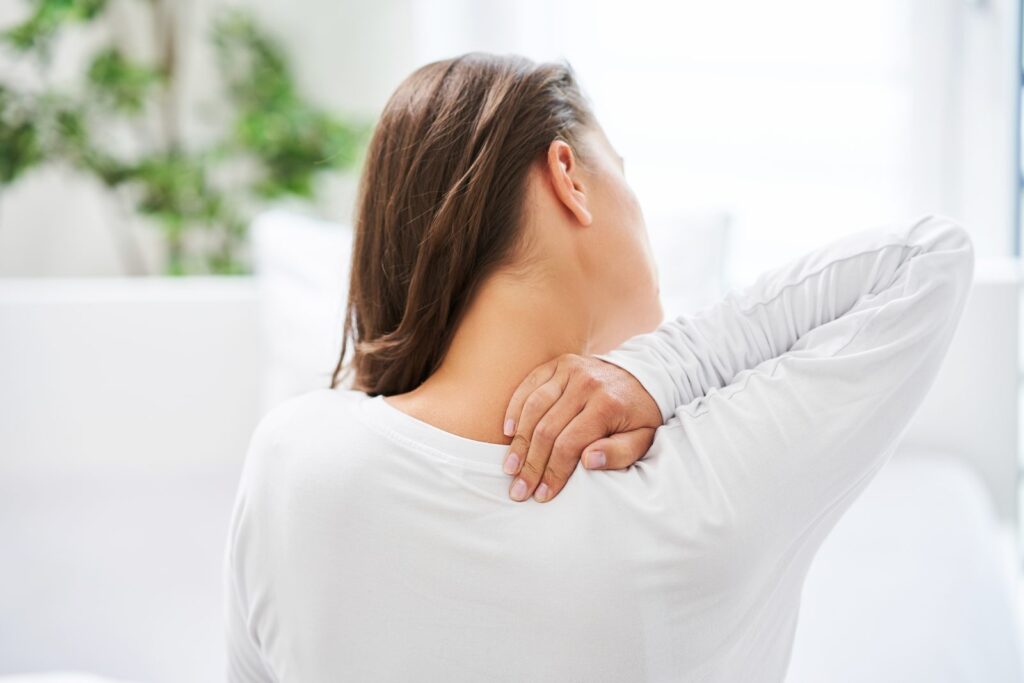
Neck Pain
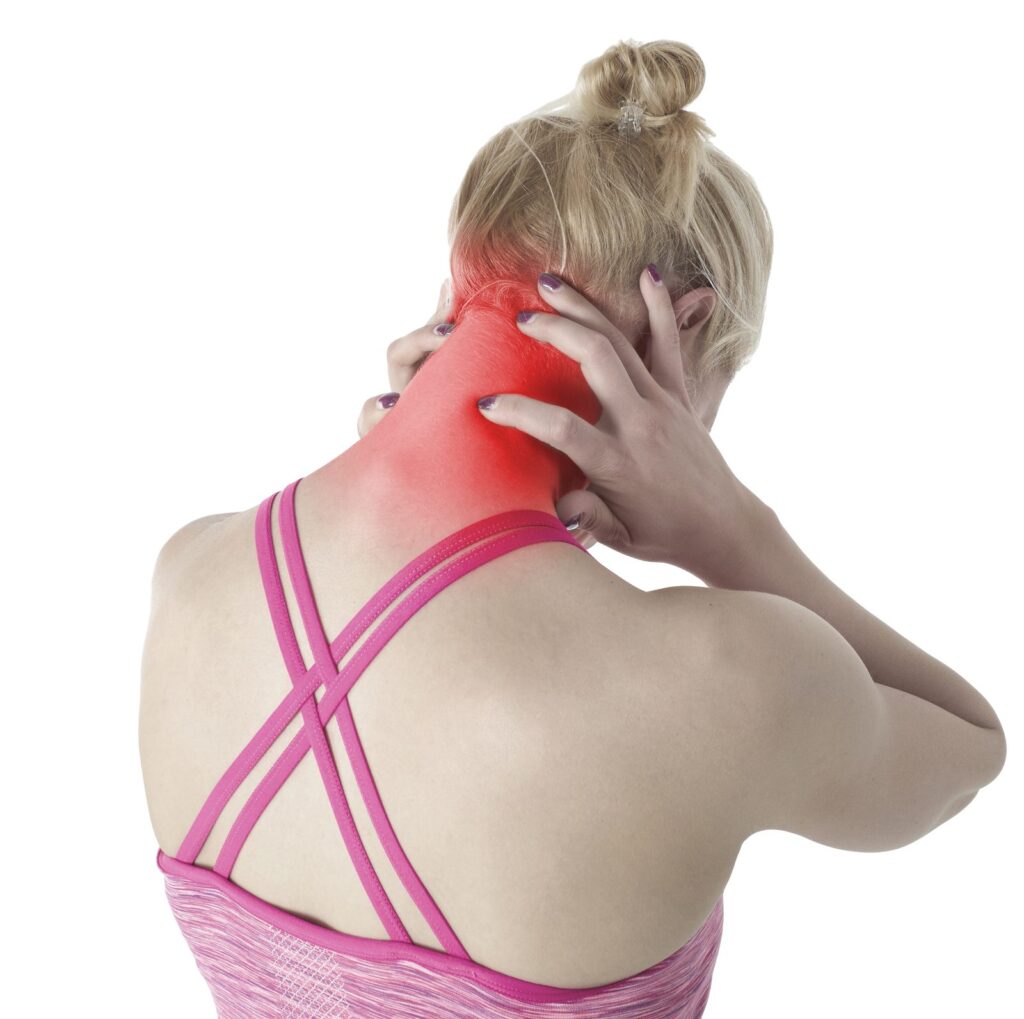
Neck pain is a common condition that refers to any discomfort, stiffness, or pain in the neck area. The neck is made up of bones, muscles, ligaments, and nerves, all of which work together to support and move the head.
Neck pain can be caused by a variety of factors, including poor posture, injury, overuse, stress, and underlying medical conditions.
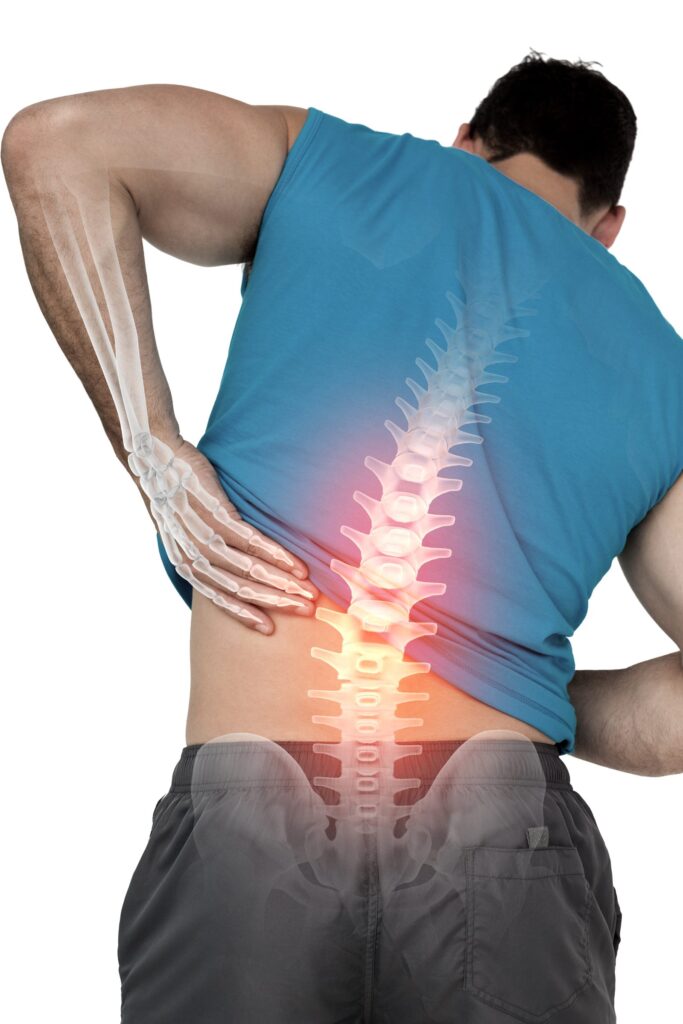
Back Pain
Shoulder Pain
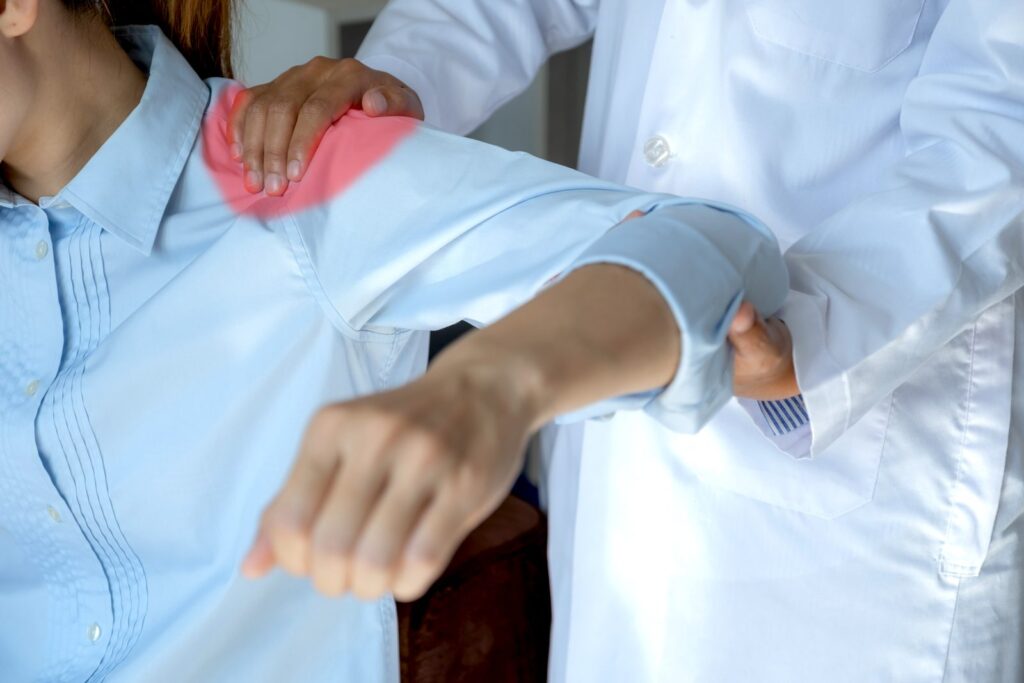
Shoulder pain refers to any discomfort, ache, or pain in the area around the shoulder joint, including the upper arm, shoulder blade, collarbone, and surrounding muscles, ligaments, and tendons.
It can occur due to a wide range of causes, including injury, overuse, arthritis, bursitis, tendinitis, frozen shoulder, rotator cuff tears, and nerve impingement.
Hip Pain
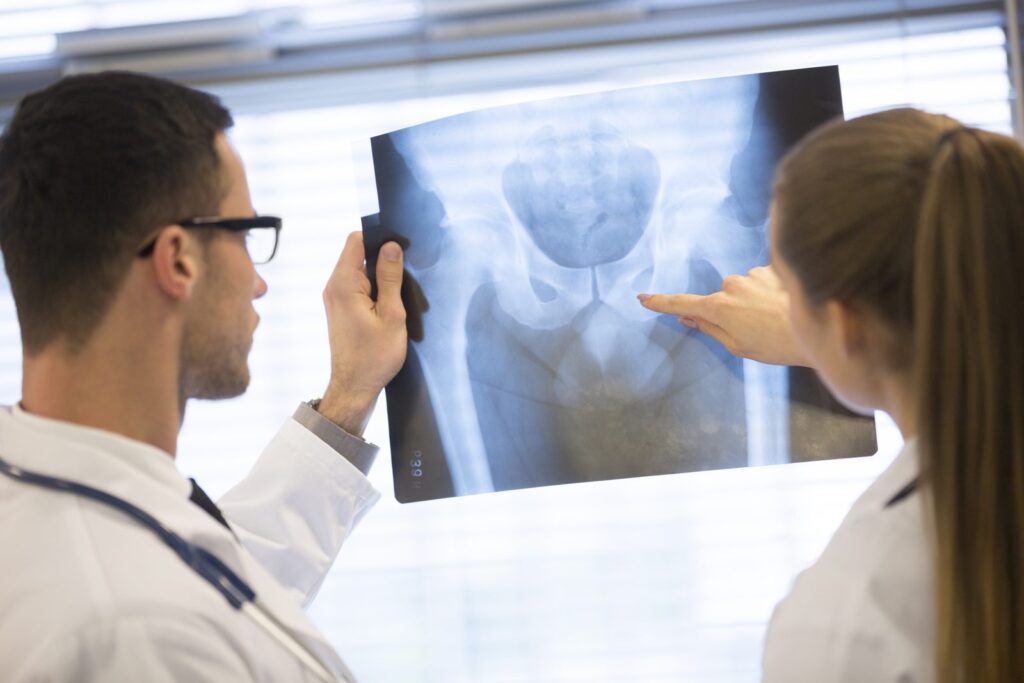
Hip pain refers to any discomfort, soreness, or pain in or around the hip joint.
The hip joint is the largest joint in the body, connecting the pelvis to the femur (thigh bone) and allowing for a wide range of motion. Hip pain can result from a variety of causes, including arthritis, tendinitis, muscle or tendon strain, fractures, pinched nerves (like sciatica), overuse or repetitive stress from physical activity, poor posture, etc.
Knee Pain
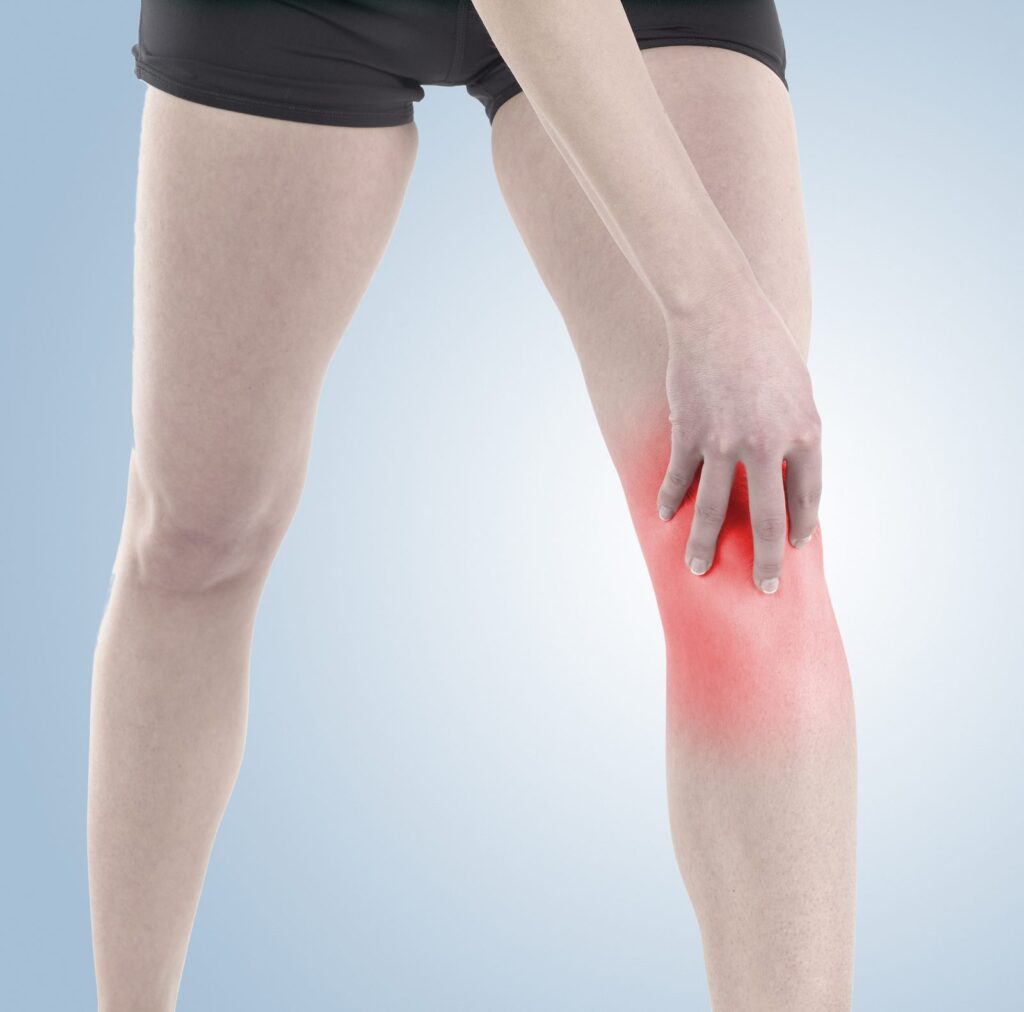
The knee joint is the joint in the body that connects the thigh bone (femur) to the shin bone (tibia), as well as the kneecap (patella) to the femur. Knee pain can be caused by a variety of factors, including injury, overuse, or underlying medical conditions such as arthritis.
Knee pain can be accompanied by other symptoms such as stiffness, swelling, redness, and difficulty moving the knee.
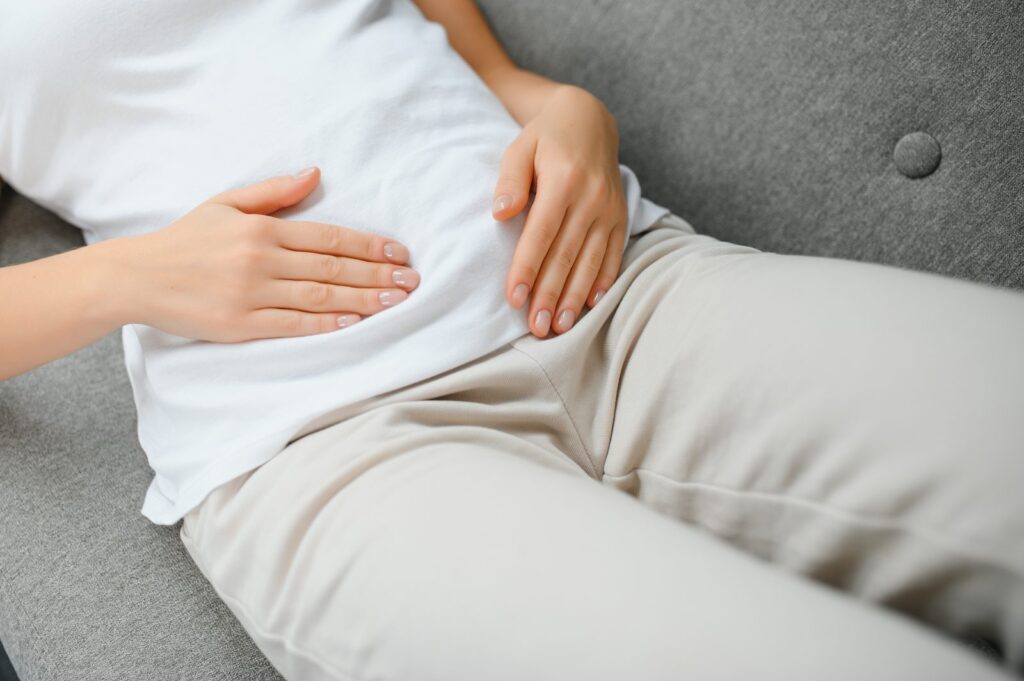
Pelvic Pain
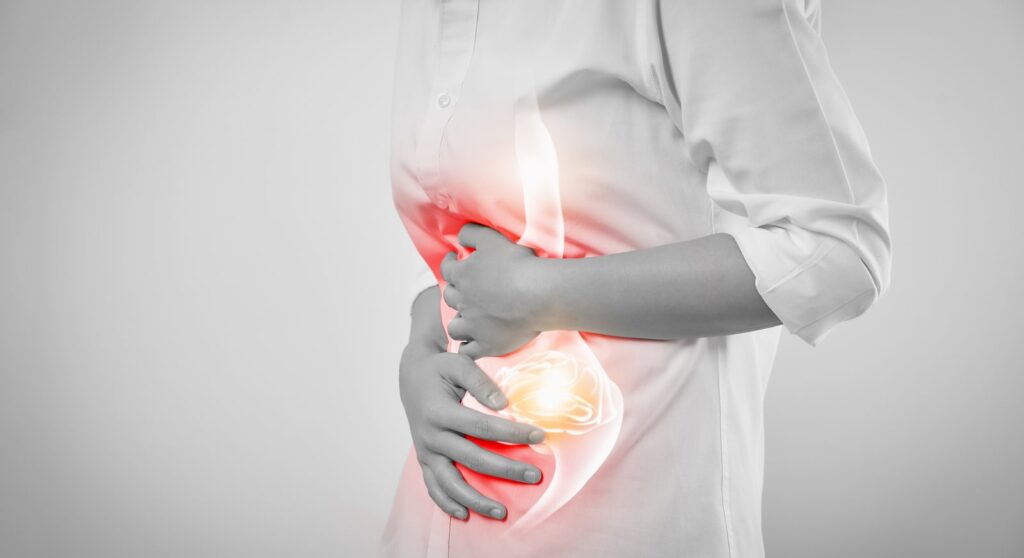
The pelvis is the area between the hips that contains many important reproductive and urinary organs, as well as the lower part of the digestive tract.
Pelvic pain can be caused by a variety of conditions, such as menstrual cramps, ovarian cysts, endometriosis, urinary tract infections, pelvic inflammatory disease, or pelvic organ prolapse.
If you’re experiencing persistent or chronic pain, don’t hesitate to reach out. Contact us today to schedule a consultation and discover how we can help you manage your pain and regain your quality of life.
Addressing the Impact on Your Life
- Sleep disturbances: Pain can disrupt sleep, leading to fatigue and increased pain sensitivity.
- Emotional distress: Chronic pain can contribute to anxiety, depression, and feelings of isolation.
- Functional limitations: Pain can restrict your ability to perform daily tasks, work, and engage in social activities.
- Impact on relationships: Chronic pain can strain relationships and affect your quality of life.
Why Choose TOPS
Experienced and Compassionate Team
Comprehensive Treatment Options
Personalized Care
Focus on Long-Term Pain Relief
At TOPS Institute, we take a thorough, personalized approach to understanding and treating your pain.
Our evaluation process includes:
- In-Depth Consultation: We begin by reviewing your symptoms, pain history, and medical background to gain a full understanding of your condition
- Physical Examination: Our specialists assess your range of motion, muscle strength, and neurological function.
- Diagnostic Imaging: X-rays, MRIs, and CT scans help us detect structural abnormalities contributing to your pain.
- Nerve Conduction Studies & EMG: These tests evaluate how well your nerves and muscles are functioning, helping us pinpoint specific sources of pain.
Frequently Asked Questions
1. What is the best treatment for spinal stenosis in Los Angeles?
The best treatment for spinal stenosis depends on severity and the individual’s overall symptoms. Options include physical therapy, medications, epidural steroid injections, and minimally invasive procedures. In advanced cases, surgery may be recommended to relieve pressure on the spinal nerves.
2. How do I know if I need treatment for spinal stenosis?
You may need treatment if you experience symptoms like lower back pain, shooting pain into the extremities, numbness, weakness, or difficulty walking. A specialist in Los Angeles can evaluate your condition using imaging and recommend personalized treatment options.
3. What is the fastest way to relieve sciatica pain?
The fastest way to relieve sciatica pain depends on the cause and severity. Initial treatment may include activity modification, anti-inflammatory medication when appropriate, physical therapy, and, in selected cases, targeted injections such as epidural injections. Severe or progressive neurologic symptoms require prompt medical evaluation. Typically, MRI’s are ordered to evaluate prior to treatments.
4. What causes sciatica and how is it treated?
Sciatica is usually caused by a herniated disc or spinal compression irritating the sciatic nerve. Treatment in Los Angeles may include physical therapy, medications, injections, and minimally invasive procedures to reduce inflammation and pain.
5. Where can I get a cortisone injection near me for pain relief?
Cortisone injections are offered at many pain management, orthopedic, and sports medicine clinics. They can reduce inflammation and may provide relief for certain joint, spine, and soft-tissue conditions when used for an appropriate diagnosis.
6. How long does a cortisone injection take to work?
Cortisone injections often begin working within a few days, although some patients notice benefit sooner and others may take up to a week or more. Relief can last weeks to months, depending on the condition, technique, and patient response.
7. What are the best treatment options for a herniated disc in Los Angeles?
Herniated disc treatment may include physical therapy, medications, epidural injections, and regenerative therapies. Most patients improve without surgery, but severe cases may require minimally invasive surgical intervention.
8. Can a herniated disc heal without surgery?
Many herniated discs may heal over time with conservative treatments such as rest, physical therapy, and injections. Surgery is typically considered only if symptoms persist or worsen despite non-surgical care.
9. When should I see a doctor for sciatica or back pain?
You should see a doctor if pain lasts longer than a few weeks, worsens over time, or is accompanied by numbness, weakness, or loss of bladder or bowel control. Early treatment can prevent complications. Always speak to your doctor if you have any concerns.
10. What is the difference between cortisone injections and other pain treatments?
Cortisone injections primarily reduce inflammation around a painful structure. Other treatments, such as physical therapy, lifestyle modification, radiofrequency ablation, or regenerative medicine, may be used for different goals, including longer-term symptom control or functional improvement, depending on the diagnosis.