
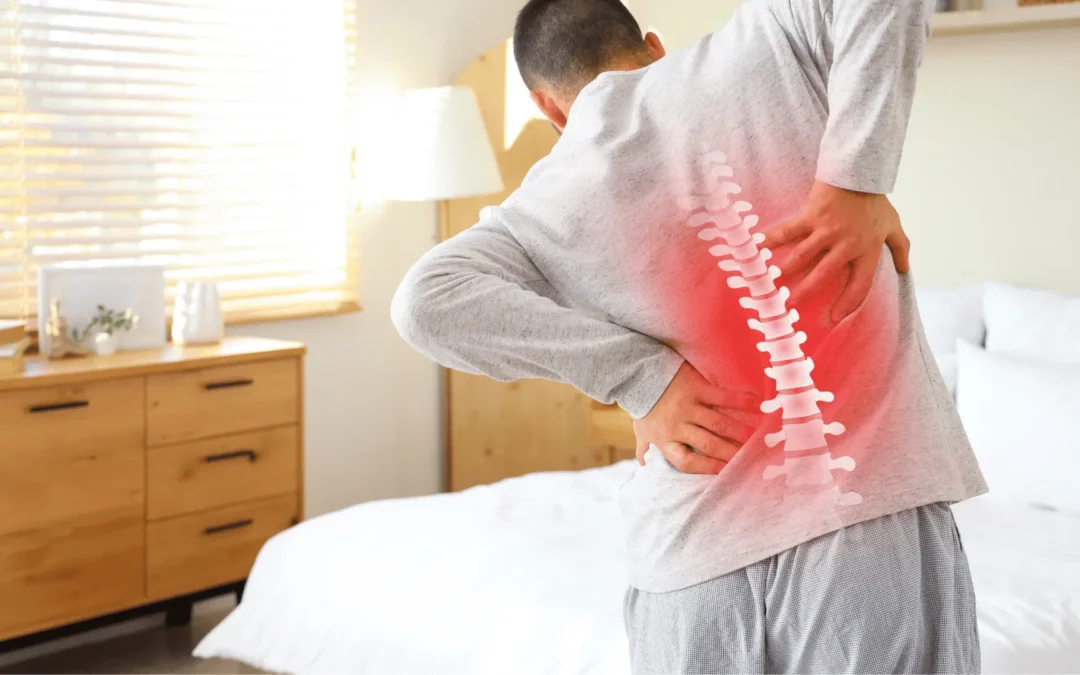
Back pain is one of those things that creeps up on you. Maybe it starts as a dull, nagging ache after a long day in LA traffic. Or maybe it starts suddenly as sharp, electric, and completely debilitating, the moment you reach for something in the back seat.
But because it’s so common, many people just assume it’s normal, but it’s not. And in a city like Los Angeles, where you’re constantly driving, sitting in meetings, or trying to stay active, ignoring it can slowly steal the life you want to live.
The good news? Getting the right Back Pain Specialist Los Angeles doesn’t have to mean surgery. In fact, most back pain can be resolved without it. But you need the right specialist. Let’s break down exactly how to find one, what your options are, and what actually works.
Types of Back Pain: Acute vs Chronic Conditions
Not all back pain is the same. And treating them the same way is a recipe for frustration.
-
Acute back pain comes on suddenly, often after an injury, a weird twist, or lifting something too heavy. It typically lasts a few days to a few weeks. Your body is basically screaming at you: something’s wrong, please stop moving that way.
The majority of acute cases resolve on their own with rest, ice, and over-the-counter anti-inflammatories.
-
Chronic back pain is a different beast entirely. It sticks around for 12 weeks or longer, even after the initial injury has healed. The pain might come and go, but it never fully leaves. Chronic cases are often less about structural damage and more about how your nervous system has learned to process pain signals.
Understanding Lumbar Radiculopathy and Its Treatment
You’ve probably heard this called a “pinched nerve.” Or maybe you know it by its more famous cousin: sciatica. Lumbar radiculopathy happens when a nerve root in your lower spine gets compressed or irritated, often by a herniated disc, bone spur, or narrowing of the spinal canal (stenosis}.
The hallmark is pain, numbness, or tingling that travels down one leg, sometimes all the way to your foot. It’s not just back pain. It’s radiating pain. And it can be genuinely frightening when your leg suddenly feels weak or tingly.
Here’s what effective lumbar radiculopathy treatment Los Angeles specialists typically recommend:
First-line (non-surgical):
-
Physical therapy focused on core strengthening and nerve mobilization
-
Oral medications like NSAIDs or short-term muscle relaxants
-
Epidural steroid injections to reduce inflammation around the compressed nerve root
In the small chance symptoms persist beyond 6-8 weeks and despite epidural injections:
-
Minimally invasive microdiscectomy to remove the disc material pressing on the nerve
-
Surgery provides faster pain relief, but outcomes at one year are similar whether you operate early or wait
Many spine surgeons actually recommend waiting 3-6 months before considering surgery, unless you have progressive weakness or loss of bladder/bowel control. The body has a remarkable ability to reabsorb disc material on its own, it just takes time.
Non-Surgical vs Surgical Back Pain Treatments
Here’s a table that cuts through the confusion. Most patients want to know: “Do I really need surgery, or can I fix this without going under the knife?”
-
Aspect
Non-Surgical Treatments
Surgical Treatments
Goal
Reduce pain, improve function, avoid operation
Fix structural problems (herniated discs, stenosis, instability)
Examples
Physical therapy, epidural injections, facet injections, oral meds, radiofrequency ablation
Microdiscectomy, laminectomy, spinal fusion, artificial disc replacement
Typical Duration
Weeks to months (ongoing as needed)
One-time procedure+ recovery period
-
Recovery Time
No downtime (activity modifications only)
4 weeks (minimally invasive) to 6+ months (fusion)
Risks
Injection site pain, bleeding, temporary flare-ups, infection (very rarely)
Infection, blood clots, failed fusion, adjacent segment disease
Best For
Mechanical back pain, some radiculopathy, chronic pain without instability
Progressive nerve weakness, severe herniation, spondylolisthesis, failed conservative care after 6+ months
Insurance Coverage
Usually covered with PPO insurances (may require prior auth)
Covered for documented medical necessity (may require prior auth)
When to See a Doctor Immediately
Most back pain is annoying but typically not dangerous. However, certain symptoms mean you need urgent care. If you experience loss of bladder or bowel control, numbness in the groin or inner thighs, or sudden worsening leg weakness, those could be signs of cauda equina syndrome, a surgical emergency.
For everyone else, here’s a sensible timeline: if pain persists longer than two weeks despite home care, or if it’s interfering with sleep, work, or daily function, it’s time to make an appointment. Delaying care often turns a treatable condition into a chronic one.
Disclaimer: This information is for general educational purposes only and is not a substitute for professional medical advice, diagnosis, or treatment. If you are experiencing severe or rapidly worsening symptoms, call 911 or go to the nearest emergency room. For non-emergency back pain, please consult a qualified healthcare professional to determine the appropriate evaluation and treatment for your specific condition.
Final Thoughts
Back pain is frustrating, isolating, and genuinely exhausting. In Lower Back Pain Doctor Beverly Hills, you have access to world-class spine specialists who can help you move past the pain, without rushing you into an operating room. Start with conservative care.
Don’t waste months guessing which treatment might work. The leading back pain specialist at TOPS Institute is just a click away. From lumbar radiculopathy to non-surgical care, get expert guidance tailored to you.
Q : What's the difference between a chiropractor and a back pain specialist?
Chiropractors focus on spinal adjustments and manipulation. A back pain specialist helps diagnose the underlying cause and gives you a broader range of treatments, including low back pain injections.
Q: How do I know if my back pain is serious enough to see a specialist?
If pain lasts more than two weeks despite rest and over ounter medication, or if you have numbness, tingling, or weakness in your legs, see an interventional pain doctor. Also seek care if pain wakes you from sleep or follows a fall or injury.
Please call, we would be happy to help.
Q : Can lumbar radiculopathy heal without surgery?
Yes, absolutely. Most patients with lumbar radiculopathy improve using conservative treatments like physical therapy, NSAIDs, and activity modification.
Q : How long does it take to see results from physical therapy for back pain?
Most of the patients notice improvement within the first 4-6 weeks of consistent PT and conservative measures.
Q : Does insurance cover back pain treatment in Los Angeles?
Yes, most major insurance plans cover conservative back pain treatments like physical therapy, medications, and medically necessary injections or surgeries.