
Bursitis Injections - Cortisone and High Dose PRP Injections
What is a Bursa Injection?
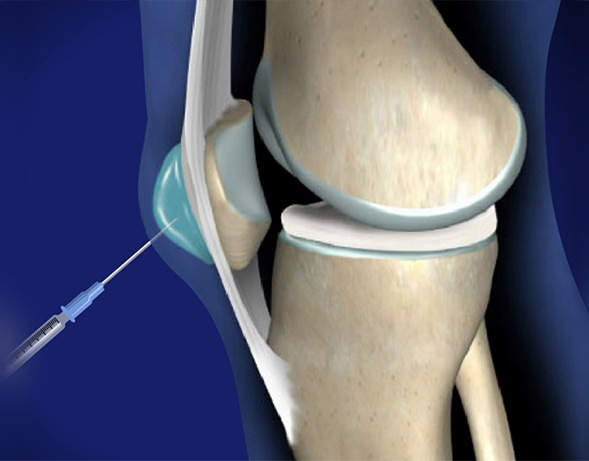
A bursa injection is a medical procedure where medication is injected into a bursa, which is a small sac of fluid that acts as a cushion between bone and soft tissue. Bursa injections are typically used to reduce inflammation and pain in conditions such as bursitis, tendonitis, or arthritis. Most common areas injected are the hips, shoulders and knees.
The medication injected may include a combination of a local anesthetic and a steroid to provide pain relief and reduce inflammation. The injection is performed using a needle inserted directly into the affected bursa under local anesthesia. This is a minimally invasive procedure where patients can go home same day. Our pain management physician will meet with you to discuss if this is the optimal treatment for you.
Ready to Get Relief from Bursitis Pain?
Don’t let joint pain hold you back. Whether you need fast relief with cortisone or long-term healing
with high-dose PRP, our team is here to help you move, feel, and get back to what you love.
Key Points About Bursitis Injections
Cortisone Injections Offer Fast Relief
Cortisone injections are often used to quickly reduce inflammation and relieve pain in affected joints. They are especially effective for acute flare-ups of bursitis and can provide noticeable relief within a few days of treatment.
High Dose PRP Promotes Long-Term Healing
Platelet-Rich Plasma (PRP) therapy uses a high concentration of your body’s own platelets to promote healing of inflamed or damaged bursa.
This natural approach encourages tissue regeneration and can offer longer-term improvement, particularly in chronic cases.
Choose Based on Your Condition
The choice between cortisone, PRP, or other injection therapies depends on the severity, duration, and cause of your bursitis.
Our medical team will evaluate your symptoms and medical history to recommend the most appropriate and effective treatment plan for your condition.
Guided Injections Improve Outcomes
We use ultrasound or fluoroscopic guidance to ensure accurate placement of the injection. Image-guided injections enhance precision, minimize complications, and improve overall outcomes by targeting the affected bursa directly and efficiently.
Frequently Asked Questions
1. What is a bursa injection and how does it work?
A bursa injection places medication, often a corticosteroid with or without local anesthetic, into or around an inflamed bursa to reduce pain and swelling. The procedure is usually quick, but the duration of relief varies by diagnosis and patient response.
2. Who needs a bursa injection in Los Angeles?
Patients with persistent bursitis pain—especially in the shoulder, hip, or elbow—that doesn’t improve with rest, physical therapy, or medications may benefit from a bursa injection. It’s commonly recommended when conservative treatments fail.
3. How long does a bursitis injection last?
Relief from a bursitis injection may last weeks to months, and in some cases longer. Some patients improve substantially after one injection, while others have only temporary benefit or need additional treatment such as therapy or activity modification.
4. What conditions can bursa injections treat?
Bursa injections are often used to treat:
- Hip (trochanteric bursitis)
- Shoulder (subacromial bursitis)
- Knee and elbow bursitis
They reduce inflammation in joints affected by repetitive motion or injury.
5. What is a trochanteric bursa injection in Los Angeles?
A trochanteric bursa injection targets inflammation on the outer hip. It is commonly used for chronic hip pain and can provide rapid pain relief when other treatments like NSAIDs or physical therapy are ineffective.
6. Is a shoulder PRP injection in Beverly Hills better than a steroid injection?
Whether a shoulder PRP injection is better than a steroid injection depends on the diagnosis and treatment goal. Steroid injections may provide faster short-term anti-inflammatory relief, while PRP is sometimes considered in selected chronic cases; however, evidence is mixed and neither option is best for every patient.
7. Are bursa injections safe?
Bursa injections are generally considered safe when performed by experienced specialists. Side effects are usually mild, such as temporary swelling or discomfort, with a low risk of infection or complications.
8. Do bursa injections hurt?
Most patients feel only mild discomfort. A local anesthetic is used to numb the area, and the procedure is quick. Some soreness may occur for a day or two afterward.
9. How often can you get bursitis injections?
Doctors typically recommend waiting at least months between injections to avoid damage to the joint or surrounding tissues. The exact frequency depends on your condition and response to treatment.
10. What should I expect after a bursa injection?
After the procedure, patients can usually go home the same day. Mild swelling or soreness may occur, but pain relief often begins within a few days. Activity may be temporarily limited to maximize healing.