
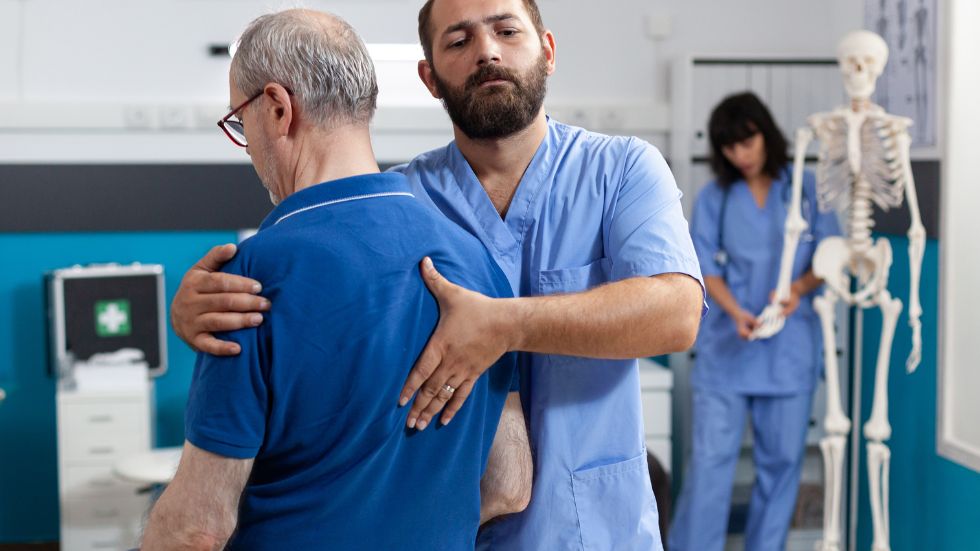
Living with pain for months or years slowly changes you. First, you adjust. You tell yourself it is temporary. You push through work, family plans, and daily routines. Over time, pain starts making decisions for you, what you can do, how long you can sit. Whether you sleep through the night. Eventually a heavy question arises: Will this ever get better?
That is often when people start learning about Neuromodulation Therapy. Not because they want another medical term thrown at them but because they want their life back.
Let us talk about spinal cord stimulation in a simple, honest way. No complicated jargon. Just what it really is, how it works, and why it helps so many people living with long term pain.
Why Chronic Pain Is So Difficult to Escape
Acute pain has a clear cause. You twist an ankle; you rest; it heals. Chronic pain does not follow that pattern. It persists even when imaging and tests may appear normal. Why does this happen?
Because pain is processed by the nervous system. Over time, the brain and spinal cord can become overly sensitive; they keep sending pain signals even when the original injury is no longer active. The system becomes stuck in a loop.
This is why increasing medication often feels like a short-term fix. It does not change how pain signals are being sent; it only dulls them temporarily.
What Spinal Cord Stimulation Really Does
Spinal cord stimulation Los Angeles works by gently interrupting pain signals before they reach the brain. Thin wires called leads are placed near the spinal cord. These leads deliver mild electrical signals.
These signals do not damage nerves. Instead, they modify how pain messages travel. The brain receives fewer pain signals or interprets them differently.
Think of it like background noise in a room. When the noise fades, everything feels easier. You can focus, rest, and move again.
For many people, it becomes manageable rather than overwhelming.
Why Neuromodulation Feels More Natural Than Medications
Pain medications work by affecting the entire body. Neuromodulation works right where pain signals travel.
In Neuromodulation Therapy, specialist doctors customize stimulation settings based on how each person experiences pain. This is not a one-size-fits-all approach. Your pain pattern matters. Your lifestyle matters.
That personal adjustment is what makes this therapy feel more human and patient centered.
Who May Benefit from This Treatment
Most people do not start their treatment with spinal cord stimulation. It is typically considered after other treatments have failed to provide relief.
This treatment is often considered by people dealing with
- Chronic back or neck pain
- Nerve pain after surgery
- Leg or arm pain that limits movement
- Pain that has not responded well to injections or medication
- Long-term pain affecting daily quality of life
- Complex regional pain syndrome (CRPS)
If you are wondering whether this sounds too serious, remember this. You get to test it first.
The Trial Phase: A Big Source of Relief
One of the most comforting aspects of spinal cord stimulation Therapy La is the trial phase. Before anything permanent happens, temporary leads are placed and connected to an external device.
During this time, you return home and continue daily activities while observing changes such as:
- Easier movement
- Reduced pain intensity or frequency
- Improved sleep
This trial answers the most important question. Does it help you?
There is no pressure to continue if it does not feel right. If it is not right for you, the leads are pulled and a small band-aid is applied. No cutting and no large scars. This is one of the few treatments that can be tested first to ensure you like it before doing the actual permanent implant.
Moving Forward: Permanent Implantation
If the trial brings meaningful relief, the next step is Permanent implantation. A small device is placed under the skin. Most people forget it is there after healing.
The device sends stimulation through the leads, and you control the settings with a remote. Adjustments can be made based on daily needs, whether preparing for a long drive, increased activity, or nighttime discomfort.
You stay in control, and that sense of control often changes how people relate to their pain.
Peripheral Nerve Stimulation for Targeted Pain
Sometimes pain is not widespread. It is focused on one joint or one nerve. That is where Peripheral nerve stimulation comes in.
Instead of working near the spinal cord, this approach targets specific nerves causing pain. The goal is the same. Calm pain signals before they take over.
This can be especially helpful for knee, shoulders, or post-surgical nerve pain.
Is it reassuring to know treatment can be that precise? Many patients find it is.
Life After Treatment
Pain management is not about becoming pain free overnight. It is about getting pieces of life back. Many people report:
- Less dependence on daily pain medication
- Better sleep and energy
- Improved ability to move and stay active
- Clearer thinking and better mood
- More confidence in everyday plans
These changes add up. Slowly, pain stops being the main focus of every day.
Common Worries People Have
Is the procedure painful?
Most patients describe mild discomfort and smooth recovery.
What if it stops helping later?
The device can be adjusted reprogrammed or removed if needed.
Will I constantly feel stimulated?
Modern systems are very subtle. Some people feel nothing but still experience relief.
Talking openly with an experienced pain team helps set realistic expectations.
Why Experience Matters So Much
Spinal cord stimulation is not just about placing a device. It is about listening to follow up and adjusting the treatment over time.
The best outcomes come from teams that treat pain as personal. Not just clinical.
Choosing experts in Neuromodulation Therapy with TOPS Institute pain management means access to modern technology and thoughtful long-term care.
A More Hopeful Way to Look at Pain
Chronic pain can make life feel smaller. Plans shrink. Energy fades. Spinal cord stimulation offers something different. A way to turn the volume down.
Not a miracle. Not magic. But real relief helps people live more freely.
If pain has been shaping your days for too long, maybe it is time to ask a new question. What if your nervous system could learn a calmer pattern?
To explore advanced options and understand whether this approach fits your journey, learn more about Neuromodulation Therapy California and Spinal cord stimulation Treatment.