
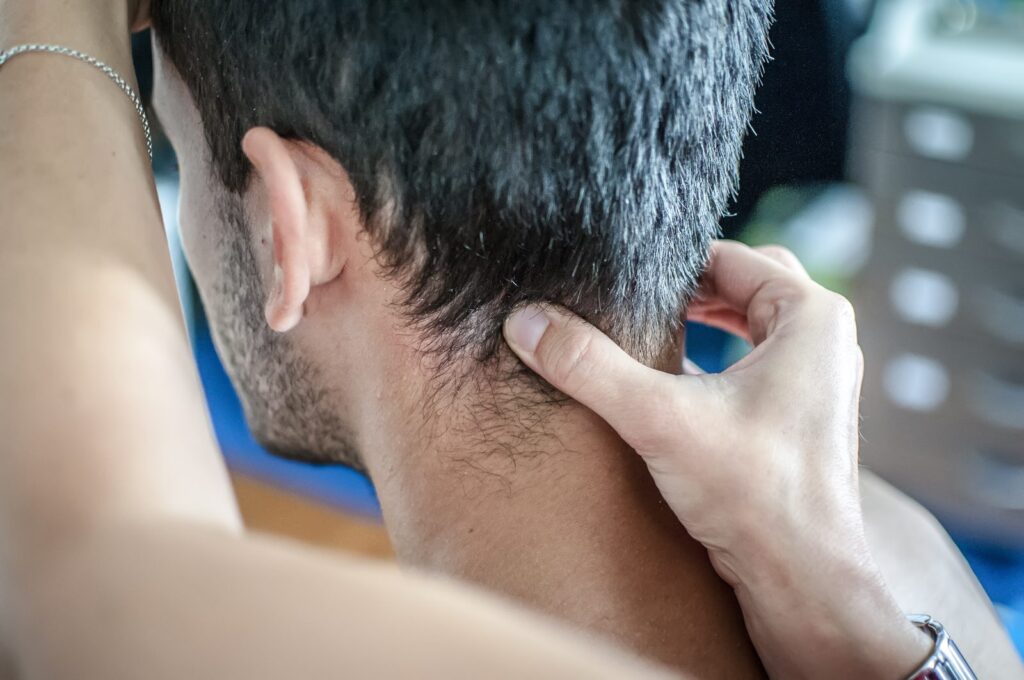
At TOPS Institute, our board-certified interventional pain management specialists perform image-guided radiofrequency procedures for patients with chronic neck pain, lower back pain, knee pain, and sacroiliac joint pain throughout Los Angeles, Beverly Hills, and Southern California.
RFA may be considered when pain has continued despite physical therapy, medication, activity modification, injections, or other conservative treatments. It is commonly used after diagnostic nerve blocks confirm that a specific group of nerves is contributing to the patient’s symptoms.
Our goal is to reduce pain, improve mobility, and help patients return to daily activities with less reliance on medication and without major surgery whenever medically appropriate.
Radiofrequency ablation is a targeted procedure that uses heat generated by radiofrequency energy to treat a small area of nerve tissue responsible for transmitting pain signals.
During the procedure, the physician places a specialized needle near the targeted nerve using fluoroscopic X-ray or ultrasound guidance. A small electrode within the needle delivers controlled radiofrequency energy, creating a precise thermal lesion that temporarily interrupts the nerve’s ability to send pain signals.
RFA does not remove the painful joint or correct every structural problem. Instead, it reduces the transmission of pain signals from the affected area.
Because the treated nerves may regenerate over time, pain relief is not always permanent. However, many patients experience meaningful improvement lasting several months or longer.
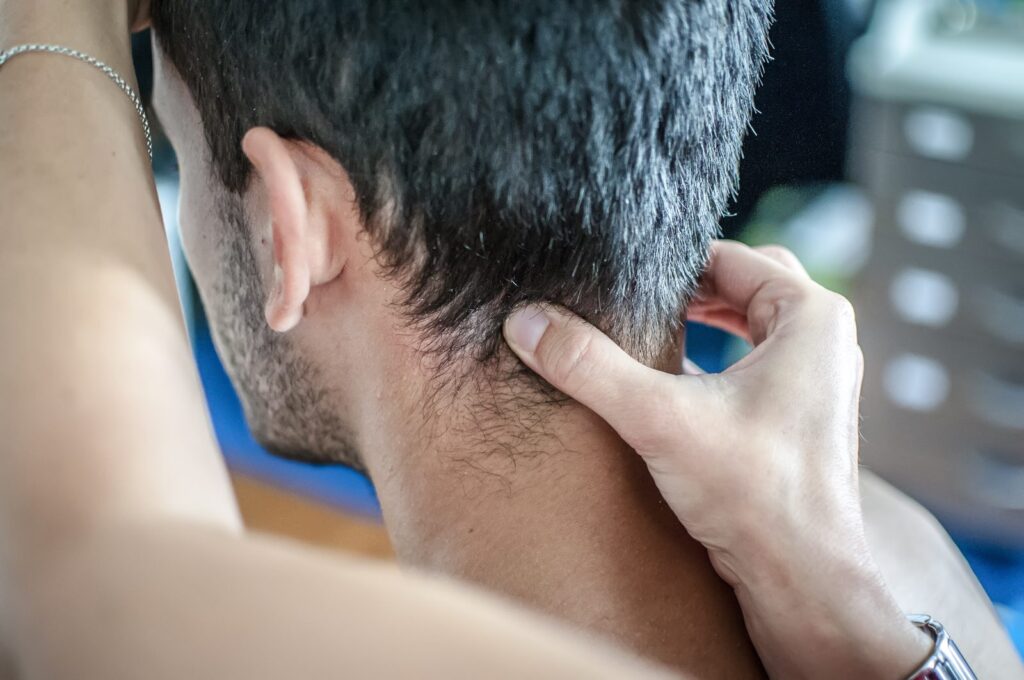
Cervical radiofrequency ablation targets the medial branch nerves that carry pain signals from the facet joints in the neck.
The cervical facet joints are small joints located along the back of the cervical spine. These joints may become painful because of arthritis, degeneration, repetitive strain, or trauma such as whiplash.
Cervical RFA may be considered for patients with:
Before cervical RFA, diagnostic medial branch blocks are commonly used to determine whether the targeted facet joints are contributing to the pain.
During the procedure, fluoroscopic guidance helps the physician position each radiofrequency needle near the appropriate medial branch nerve. Controlled energy is then delivered to interrupt the pain signal.
Lumbar radiofrequency ablation targets the medial branch nerves that transmit pain from the facet joints in the lower back.
Lumbar facet joint pain is often caused by arthritis, age-related degeneration, repetitive stress, injury, or abnormal spinal mechanics.
Lumbar RFA may be recommended for:
Lumbar facet pain usually does not follow the same radiating nerve pattern as sciatica. Patients with pain extending below the knee, numbness, tingling, or weakness may require evaluation for disc herniation, spinal stenosis, or nerve-root compression.
Before lumbar RFA, patients typically undergo medial branch blocks. Significant temporary relief from these diagnostic blocks can indicate that the facet joints are a likely source of pain.
Genicular radiofrequency ablation targets sensory nerves surrounding the knee joint. These nerves, known as the genicular nerves, transmit pain signals from the knee without controlling the major muscles responsible for movement.
Genicular RFA may be considered for patients with:
Sacroiliac joint radiofrequency ablation generally targets the lateral branch nerves that carry pain signals from the posterior portion of the joint.
Image guidance is used to position the treatment needles near the appropriate nerve branches. Controlled radiofrequency energy is then delivered to reduce pain transmission.
Sacroiliac joint radiofrequency ablation is used to treat chronic pain arising from the sacroiliac joints, which connect the lower spine to the pelvis.
The sacroiliac joints absorb forces between the upper body and legs. They may become painful because of arthritis, injury, pregnancy-related changes, repetitive stress, altered walking mechanics, or degeneration.
SI joint RFA may be considered for patients with:
Sacroiliac joint radiofrequency ablation generally targets the lateral branch nerves that carry pain signals from the posterior portion of the joint.
Image guidance is used to position the treatment needles near the appropriate nerve branches. Controlled radiofrequency energy is then delivered to reduce pain transmission.
Steroid injections and radiofrequency ablation are both minimally invasive procedures, but they work differently
Steroid injections are used to reduce inflammation within or around a painful joint or nerve.
They may provide temporary relief lasting days, weeks, or months depending on the diagnosis and patient response.
RFA treats the nerves carrying pain signals from the affected structure.
It is often considered after diagnostic blocks confirm the painful nerve pathway and may provide longer-lasting relief than an injection alone.
The most appropriate procedure depends on the source of pain, previous treatments, diagnostic findings, and overall health.
Most patients return home the same day. Temporary soreness, pressure, numbness, or a brief increase in discomfort may occur after the procedure.
General aftercare may include:
Patients are often asked to track their pain level, mobility, and ability to perform previously painful activities after the block.
The amount and duration of relief help guide treatment decisions.
Radiofrequency ablation is generally performed on an outpatient basis.
The typical process includes:
Your physician reviews your symptoms, medical history, medications, diagnostic blocks, imaging studies, and treatment goals.
You are positioned according to the area being treated.
The skin is cleaned, and local anesthetic is used to numb the treatment area.
Fluoroscopy or ultrasound is used to position the needle near the targeted nerve.
In some procedures, low-level electrical stimulation may be used to confirm that the needle is close to the intended sensory nerve and away from important motor nerves.
Controlled radiofrequency energy is delivered through the electrode for a specified period.
You are monitored briefly before returning home.
The procedure often takes approximately 30 to 60 minutes, although the total appointment may be longer when preparation and recovery are included.
Many patients experience relief lasting several months or longer after a successful procedure.
RFA requires no large incision and is typically performed on an outpatient basis.
Effective pain control may reduce the need for frequent pain medication in selected patients.
Reducing pain may make walking, exercising, sleeping, and participating in physical therapy easier.
RFA treats specific nerves identified through clinical evaluation and diagnostic blocks.
For appropriate patients, RFA may help manage pain without immediate spine or joint surgery.
Pain relief often lasts approximately 6 to 12 months, although some patients experience a shorter or longer response.
The duration of relief depends on:
Because nerves can regrow, symptoms may return over time. Repeat treatment may be considered if the first procedure provided meaningful relief and the pain returns.
Pain relief is not always immediate.
Some patients notice improvement within several days, while others may require two to four weeks before experiencing the full benefit.
It is common to have temporary soreness, sensitivity, or a mild increase in pain after the procedure while the treated area heals.
Most patients return home the same day.
Common aftercare recommendations may include:
Most patients resume routine activities within one to three days, although soreness may last longer.
Patients who receive sedation generally need a responsible adult to drive them home.
Radiofrequency ablation is generally considered safe when performed by an experienced physician after an appropriate diagnostic evaluation.
Potential risks include:
Individual risk depends on the treatment area, anatomy, health history, medications, and procedure technique.
Patients taking blood thinners or those with active infection, bleeding disorders, implanted devices, uncontrolled medical conditions, or certain neurological disorders may require additional evaluation.
Do not stop prescribed blood-thinning medication unless your physicians provide coordinated instructions.
You may be a candidate if you:
RFA may not be appropriate when pain is caused by an untreated fracture, infection, tumor, major neurological compression, or another condition requiring urgent treatment.
Seek urgent evaluation for pain accompanied by:
These symptoms may indicate a condition that should not be treated with routine radiofrequency ablation alone.
Facet joint injections may reduce inflammation and help identify whether a cervical or lumbar facet joint is contributing to pain.
Medial branch blocks temporarily numb the nerves supplying the spinal facet joints and may help determine whether a patient is a candidate for RFA.
SI joint injections may provide diagnostic information and temporary relief for sacroiliac joint pain.
Knee injections may include corticosteroid, viscosupplementation, or other targeted treatments for arthritis and inflammation.
High-Dose PRP may be considered for selected musculoskeletal injuries and degenerative joint conditions.
At TOPS Institute, radiofrequency ablation is performed as part of a comprehensive, individualized pain management plan.
Patients choose our practice for:
We carefully evaluate whether the targeted nerves are likely to be responsible for your symptoms before recommending treatment.
Radiofrequency ablation is a minimally invasive procedure that uses controlled heat to interrupt pain signals traveling through selected sensory nerves.
RFA may be used for cervical or lumbar facet joint pain, spinal arthritis, sacroiliac joint pain, knee osteoarthritis, chronic knee pain, and selected post-surgical pain conditions.
Cervical RFA targets the medial branch nerves that carry pain signals from the facet joints in the neck. It may help patients with chronic neck pain caused by cervical facet arthritis or spondylosis.
Lumbar RFA treats the medial branch nerves supplying painful facet joints in the lower back. It is commonly used for chronic mechanical lower back pain and lumbar facet arthritis.
Genicular RFA targets sensory nerves surrounding the knee. It may help reduce chronic pain caused by knee osteoarthritis or persistent pain after knee replacement.
Sacroiliac joint RFA targets the nerve branches that transmit pain from the posterior SI joint. It may help patients with confirmed chronic sacroiliac joint pain.
Diagnostic nerve blocks are commonly performed before cervical, lumbar, genicular, or SI joint RFA. A positive response helps confirm the targeted nerve pathway.
Most patients experience pressure, warmth, or brief discomfort. Local anesthetic is used, and light sedation may be available for selected patients.
Most procedures take approximately 30 to 60 minutes, although the total visit may be longer because of preparation and recovery.
Relief commonly lasts six to twelve months, although results vary. Some patients experience relief for a shorter or longer period.
Some patients improve within several days, while others may take two to four weeks to notice the maximum benefit.
Yes. The treated nerves may regenerate over time, which is why pain can eventually return. Repeat treatment may be considered when the original procedure was successful.
The nerves targeted during pain RFA are generally sensory branches rather than the major motor nerves controlling movement. Image guidance and testing help reduce the risk of affecting surrounding structures.
Neither procedure is universally better. Steroid injections reduce inflammation, while RFA interrupts pain signals. The correct option depends on the diagnosis, pain source, and response to diagnostic procedures.
Repeat treatment may be considered when pain returns after a successful procedure. The timing and appropriateness depend on the patient’s response, diagnosis, and overall health.
Cost varies depending on the treatment area, number of nerves treated, facility, imaging guidance, sedation, insurance coverage, and other clinical factors. Our office can help review available cost and coverage information before treatment.
Chronic neck, back, knee, or sacroiliac joint pain can make everyday movement difficult. If diagnostic nerve blocks indicate that a specific nerve pathway is contributing to your symptoms, radiofrequency ablation may offer meaningful, longer-lasting relief.
Contact TOPS Institute to schedule a comprehensive consultation with an interventional pain management specialist in Los Angeles or Beverly Hills.

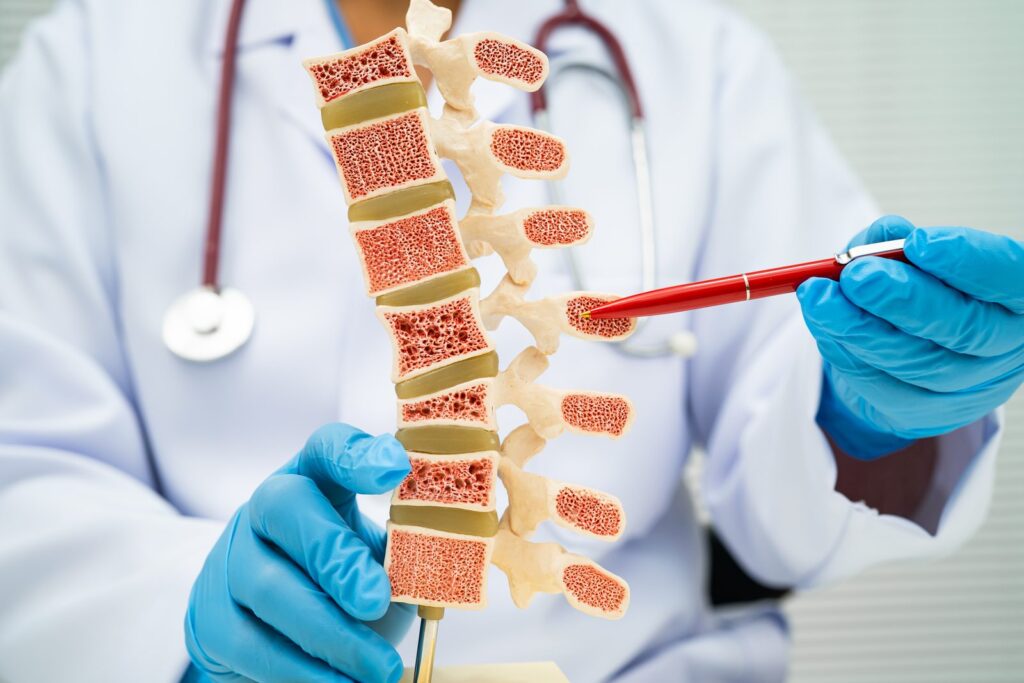

Leave a message or give us a call — we'll find a time that works for you.
640 South San Vicente Blvd., Suite 389, Los Angeles, CA 90048

Interventional pain management for Los Angeles & Beverly Hills — image-guided care that treats the source, not just the symptom.
© 2026 TOPS Institute · All rights reserved · Home